
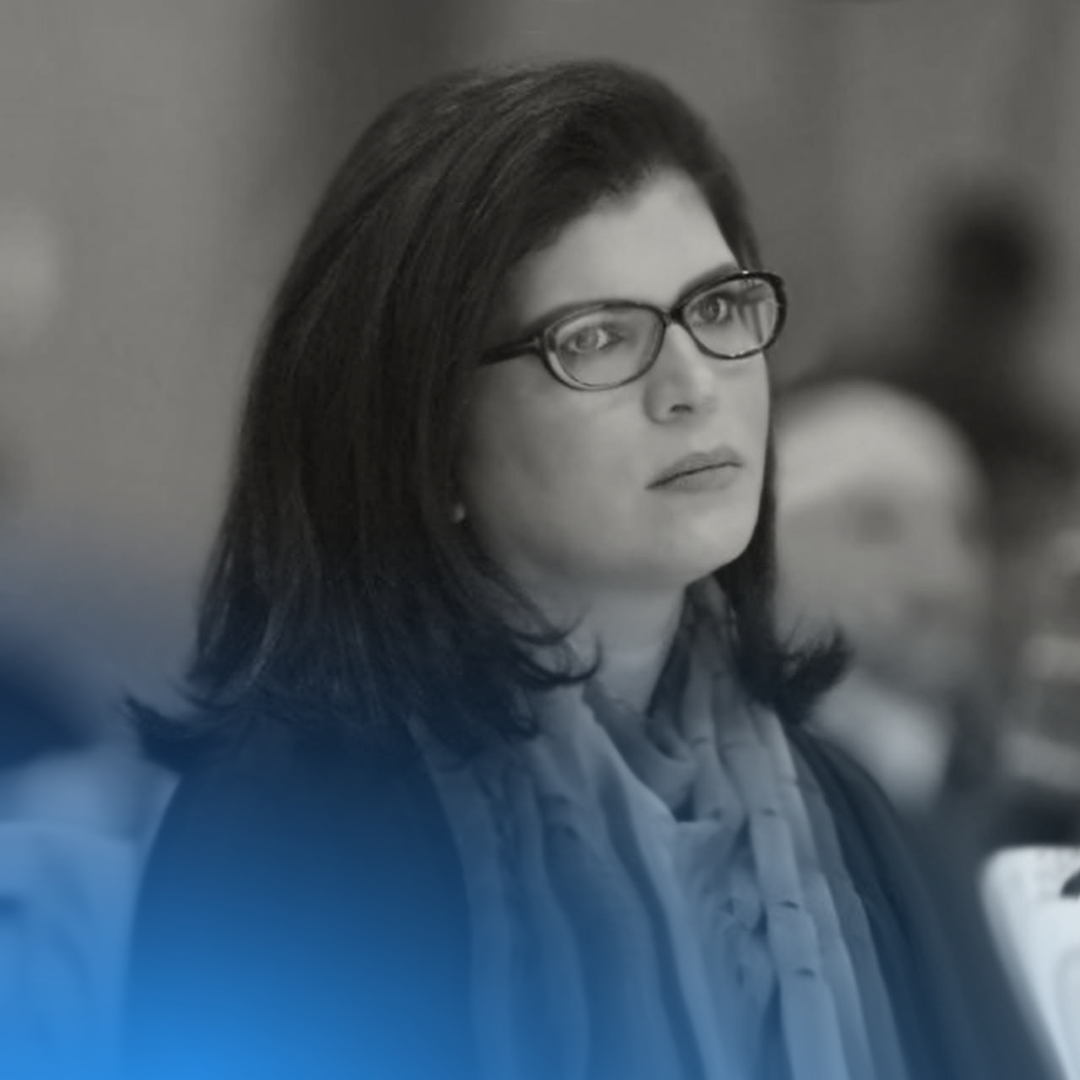
HRH Princess Sumaya bint El Hassan is a leading advocate for science as a catalyst for change. She is a dedicated enabler of science in the Arab World where so many challenges urgently require science-based solutions. HRH has worked for two decades to foster home-grown solutions to pressing regional issues, dedicating herself to facilitating research in Jordan and beyond. She has been a key supporter of SESAME from its earliest stages.
Princess Sumaya is President of the Royal Scientific Society (RSS), Chair of Princess Sumaya University for Technology (PSUT), and Vice-Chair of the Jordan Museum.
In June 2017, the Director-General of UNESCO appointed HRH as Special Envoy for Science for Peace, recognising her efforts to combine science and research with cultural heritage, to foster peace, opportunity, and prosperity. Princess Sumaya was Chair of World Science Forum 2017, which was held in Jordan under the theme of ‘Science for Peace’, and remains a Steering Committee member of this leading global forum for scientists and policymakers. In 2026, HRH was elected as a member of the American Academy of Arts & Sciences.
HRH also chairs the Board of the Amman Baccalaureate School. She believes strongly in the importance of creative education from the earliest stages to drive positive change in the region.
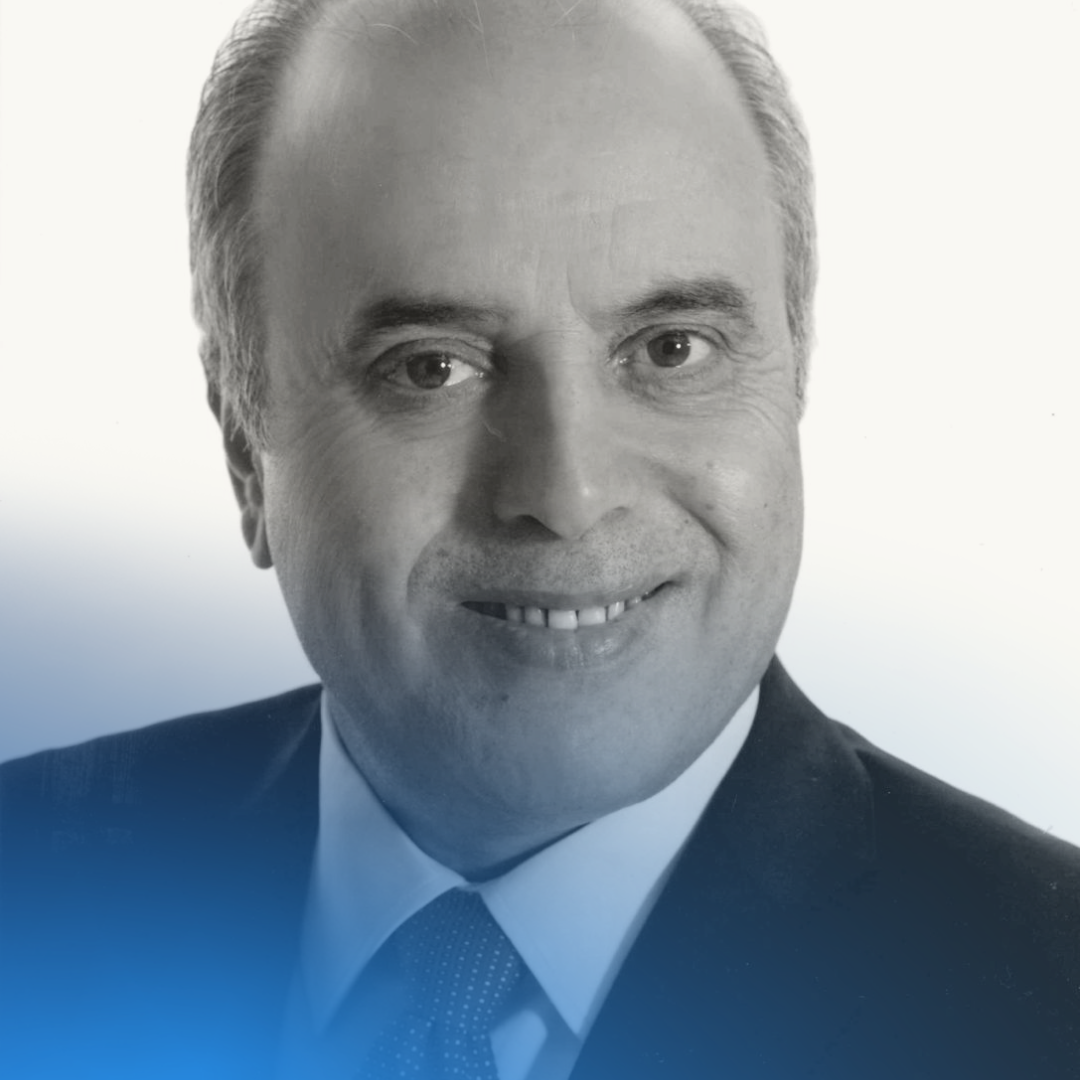
Dr. Azmi Mahafzah is a professor of microbiology and immunology at the University of Jordan School of Medicine and a consultant clinical pathologist at the Jordan University Hospital. He earned his MD degree from Damascus University School of Medicine in 1977 and his PhD degree in Microbiology and Immunology from the American University of Beirut School of Medicine in 1984. In 1988, he completed a postdoctoral fellowship in virology from Yale University.
Dr. Mahafzah worked as a teaching staff member in the School of Medicine at the University of Jordan for more than 35 years. During that period, he assumed many administrative posts, including chairman of the Department of Pathology, Microbiology and Forensic Medicine, director of the Department of Laboratory Medicine at the Jordan University Hospital, and Vice Dean for Faculty Affairs of the Faculty of Medicine, before being appointed as the Dean of the Faculty of Medicine at the University of Jordan from October 2010 to August 2013. On September 1st, 2013 Dr. Mahafzah was appointed Vice President for Scientific Faculties of the University of Jordan, and on April 19, 2016, he was appointed President of the University of Jordan.
On June 14, 2018, Dr. Mahafzah was appointed Minister of Education and on October 11, 2018, he was reappointed as Minister of Education and Minister of Higher Education and Scientific Research until November 1, 2018, where he resigned to rejoin the University of Jordan as a professor of microbiology and immunology. In September 2019 he was appointed Chairman of the Higher Council of the National Center for Curriculum Development, a post he assumed until April 26, 2023. On Oct. 27, 2022, he was appointed Minister of Education and Minister of Higher Education and Scientific Research.
Dr. Mahafzah is a member of several national and international professional bodies. Throughout his career, Dr. Mahafzah published more than seventy scientific papers in peer-reviewed journals.
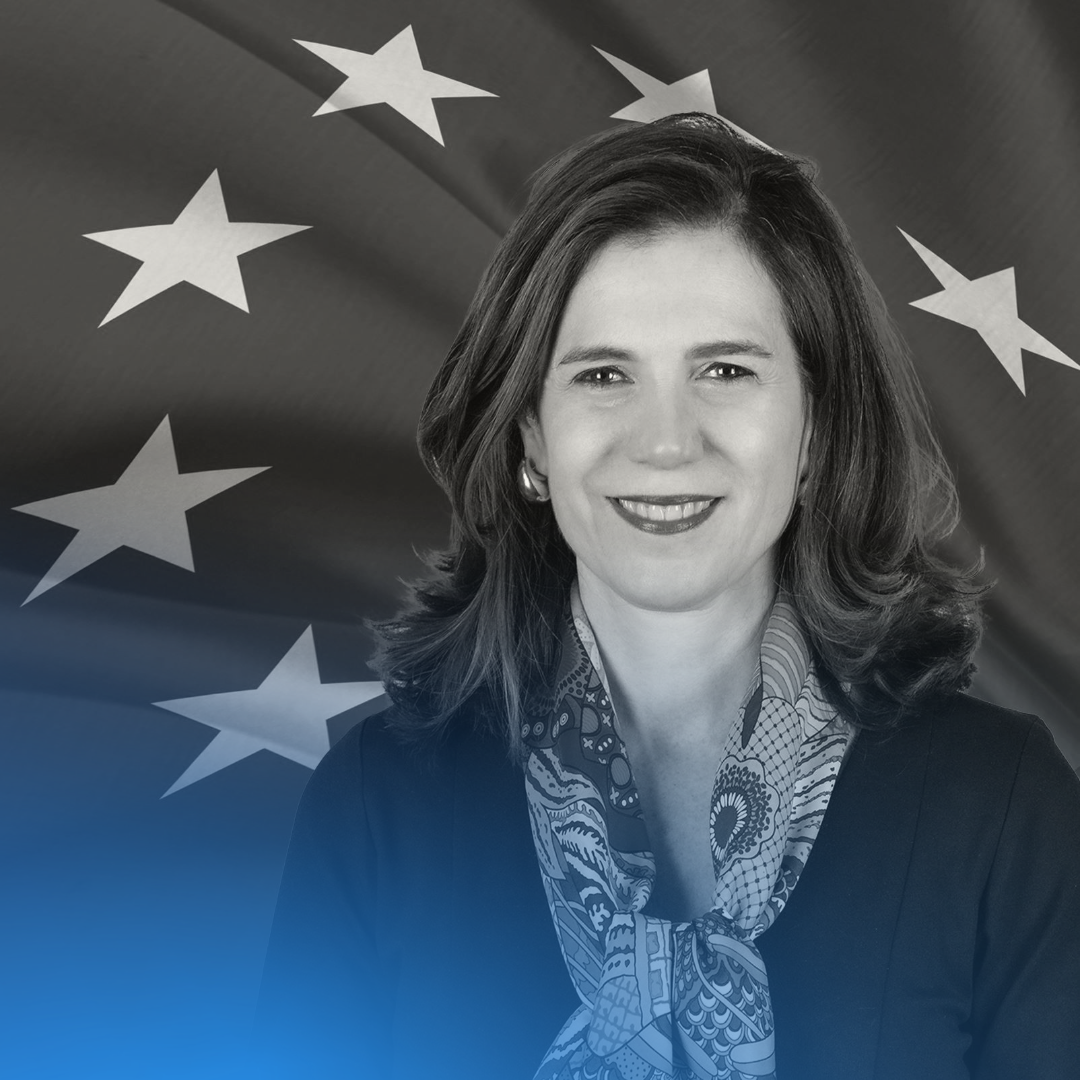
Maria Cristina Russo is Deputy Director-General for Innovation, Prosperity and
International Cooperation in DG Research and Innovation. In this role she
oversees the relations with third countries on Research & Innovation and the
Association Agreements to Horizon Europe, she steers the work of the
Innovation and the Prosperity Directorates. Previously Director for Prosperity
with responsibility for Industrial research innovation & investments agenda,
Valorisation policies and IPR, Industrial transformation, and AI in Science. She
has been working for the European Commission since 1992 where she held
several policy and managerial positions related to external relations, the EU
decision-making process and various EU policies, in particular Research &
Innovation. Before being appointed Director, she was member of the Cabinet of
the Commissioner in charge of research policy and Head of Unit in the
Secretariat-General of the European Commission holding different positions
dealing with inter-institutional relations and policy making, and in the
department in charge of consumers' policies and financial services.
Maria Cristina holds a degree in Political Sciences from the Luiss University of
Rome and a Research Master’s Degree in European Studies from the College of
Europe in Bruges. She has three children.

Petra Kežman has served as Deputy Secretary General for Human Development at the Union for the Mediterranean (UfM) since March 2026. A Slovenian diplomat with more than two decades of experience in foreign relations, she holds a degree from the University of Ljubljana and a Master’s in Interdisciplinary European Studies from the College of Europe. Regional multilateral cooperation has been at the heart of her professional path, including a decade-long engagement with the UfM. Throughout her diplomatic service, she has worked to advance human development, education, research and innovation, intercultural dialogue, environmental sustainability, gender equality and youth empowerment. Prior to joining the UfM leadership, she headed the Department for Public Diplomacy and International Relations in Culture and later the Department for Global Challenges at Slovenia’s Ministry of Foreign and European Affairs.
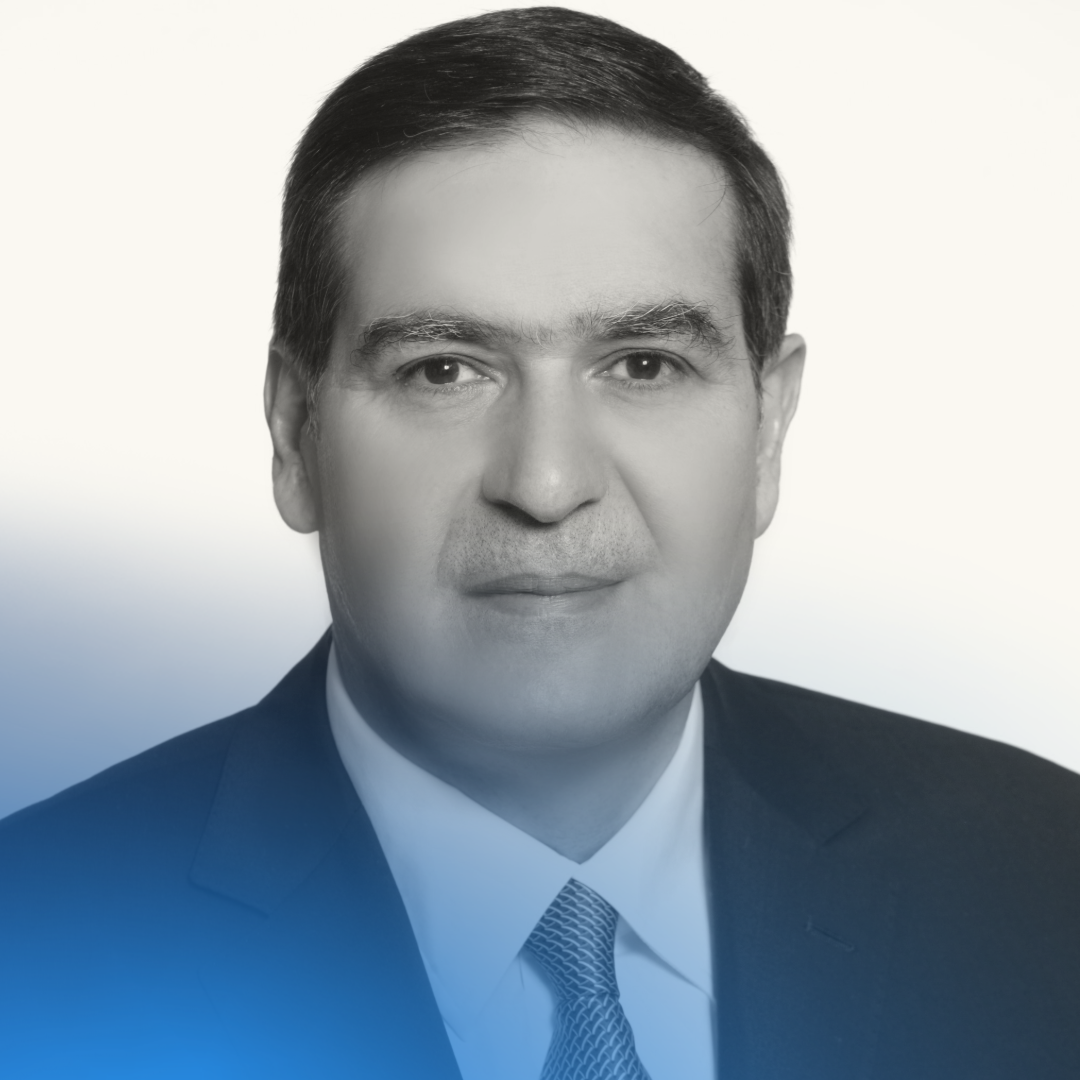
Dr. Khaled Toukan is regarded as among the most important academic and scientific figures in Jordan. Dr. Toukan obtained his B.E. in Electrical Engineering from the American University of Beirut, M.Sc. in Nuclear Engineering from the University of Michigan and his Ph.D. in Nuclear Engineering from the Massachusetts Institute of Technology in USA. Dr. Toukan was appointed as the President of Al-Balqa Applied University, Minister of Education, Minister of Higher Education, Minister of Energy and Member of H.M. King Abdullah II Economic Consultative Council. During his term as Minister of Education, Dr. Toukan launched the “Education Reform for the Knowledge Economy” (ERfKE) Project throughout all schools in Jordan. ERfKE has had a big impact on the improvement of Jordan’s national scores in “Trends in International
Mathematics and Science Study” (TIMSS). Also, Dr. Toukan served as the Chair of Board of Trustees of the University of Jordan .
Currently, Dr. Toukan is the Chairman of Jordan Atomic Energy Commission (JAEC) and Director of the Synchrotron-light for Experimental Science and Applications in the Middle East (SESAME) Center. He has also been serving as a member of IAEA’s SAGNE Advisory Group since 2016. Among his various contributions at JAEC, Dr. Toukan was the initiator for the construction of the Jordan Research and Training Reactor at Jordan University of Science and Technology campus that helps build capacity in nuclear energy and serves nuclear medicine sector as well as other sectors in Jordan and the Arab world. Dr. Toukan has focused on exploiting Jordan’s national
uranium resources to serve Jordan’s nuclear projects. Thus, Jordan Uranium and Mining Company was established to achieve this goal, and yellow cake (U3O8) was successfully produced on small scale at a pilot-plant designed for this purpose.
Dr. Toukan has several scientific publications, holds several distinguished international and national medals of honor and is the winner of several awards and prizes. He has been selected as one of “Nature’s 10 People Who Mattered for 2017”. He has also been elected as an International Honorary Member of the American Academy of Arts and Sciences since 2018.
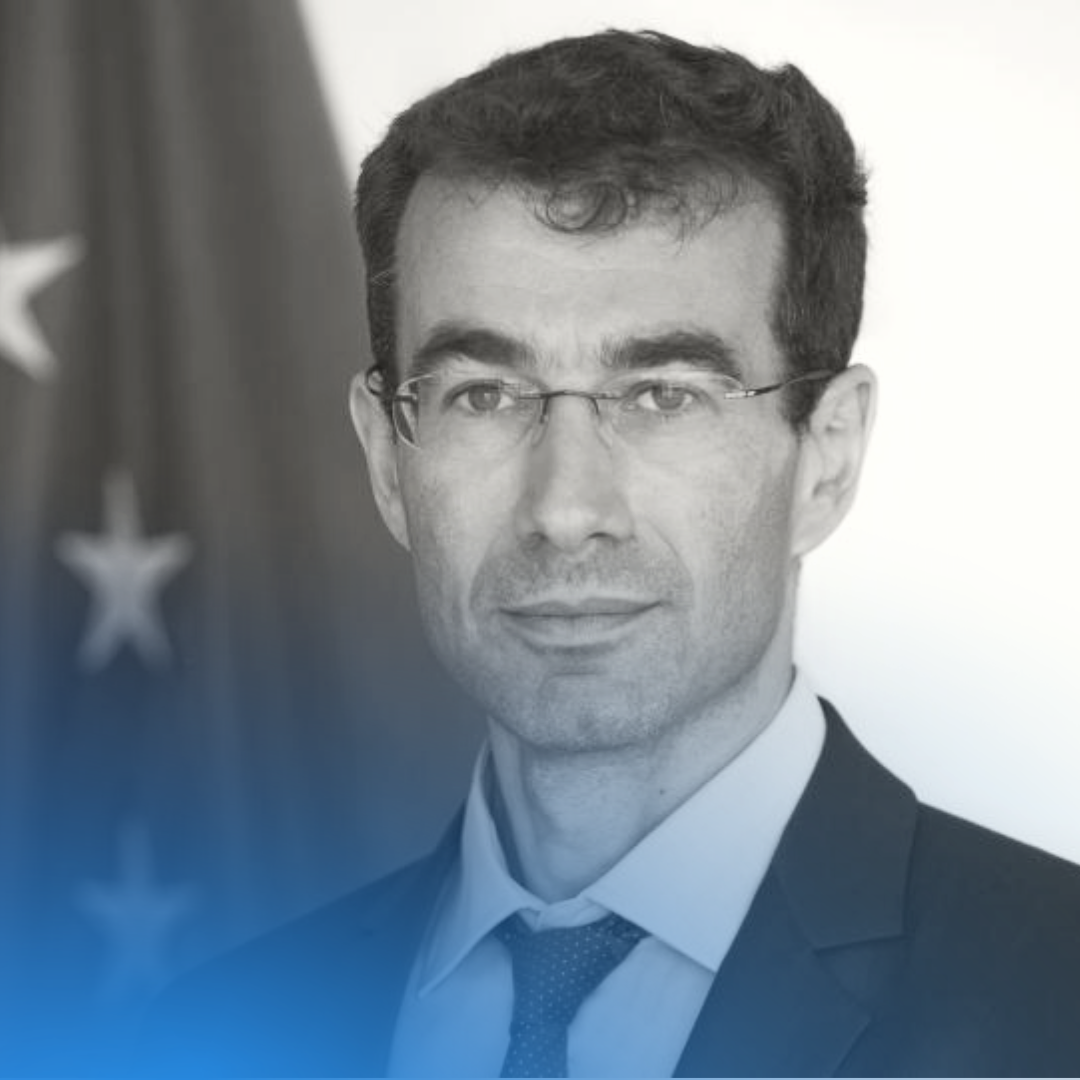
Pierre-Christophe Chatzisavas is the Ambassador of the European Union to the Hashemite Kingdom of Jordan since September 2023.
He is a former Political Assistant to the Deputy Secretary General of the European External Action Service in charge of Peace, Security and Defence (2020-2023). Previously, he served as Senior Advisor on Peace and Security to the President of the UN General Assembly, and Counsellor in charge of North Africa and Middle East affairs in the EU Delegation to the United Nations (2015-2019). Other assignments included the EU Delegation to the African Union in Addis Ababa (2010-2012) and the EU Delegation in Chad (2007-2010). In the EEAS Headquarters, he has been in charge of Mali and Sahel (2012-2014), Syria (2014), he has also worked in the Western Balkans Directorate (2019).
He holds an M.A. in Public Administration from the Institut d’Etudes Politiques de Paris
(2002), an M.A. in Literature from the Sorbonne University (2003) and an M.A. in European Studies from the Université Libre de Bruxelles (2004).
Pierre-Christophe Chatzisavas is a dual national from Cyprus and France. He is married with
five children.

Dr. Tareq Abu Hamed is the Executive Director of the Arava Institute for Environmental Studies. A recognized leader in renewable energy technology and regional environmental cooperation, he sits on Israeli President Herzog’s Climate Forum, co-chairing the task force on Regional Cooperation and Security. Dr. Abu Hamed is the recipient of the 2024 American Association for the Advancement of Science’s David and Betty Hamburg Award for Science Diplomacy and the 2025 Al-Moumin Award for Thought Leadership in Environmental Peacebuilding from the Environmental Peacebuilding Association.
Dr. Abu Hamed first joined the Arava Institute in 2008, when he established the Arava Institute’s Center for Renewable Energy and Energy Conservation. He left the Institute in 2013 to join the Israeli Ministry of Science’s ultimately becoming the Ministry’s Vice Chief Scientist. He returned to the Arava Institute in 2016 as both head of the Center for Renewable Energy and as Academic Director.
Under his leadership, the Arava Institute was nominated for the 2024, 2025 and 2026 Nobel Peace Prize.
Dr. Abu Hamed holds a Ph.D. in Chemical Engineering from Ankara University (Turkey). He has completed two terms of postdoctoral research, one at the Weizmann Institute of Science (Israel), and the second at the University of Minnesota. He also holds a Master’s in Public Policy from Hebrew University

Ambassador Tufool Al Dhahab is a diplomat and technology policy expert with extensive experience in economic diplomacy, international cooperation, digital transformation, and emerging technologies.
She currently serves as Head of International Trade, Knowledge Economy and Technology at Oman's Ministry of Foreign Affairs, where she leads efforts to strengthen international partnerships, promote investment opportunities, and advance Oman's economic diversification agenda in alignment with Oman Vision 2040.
Throughout her career, Ambassador Al Dhahab has played a pioneering role in integrating technology and innovation into diplomatic practice, including establishing the Ministry's Artificial Intelligence Office and contributing to institutional strategic planning and digital transformation initiatives.
Her professional background also includes experience in entrepreneurship, SME development, and private-sector engagement, providing her with a multidisciplinary perspective on economic growth and international collaboration.
She actively contributes to bilateral and multilateral dialogues on artificial intelligence, technology governance, innovation ecosystems, and sustainable economic development, advocating for stronger cooperation between governments, industry, and international institutions.
Passionate about bridging diplomacy and emerging technologies, Ambassador Al Dhahab is committed to positioning Oman as a forward-looking partner in the global knowledge economy while promoting inclusive, innovation-driven growth and meaningful international partnerships.

Dr Nisreen AL-Hmoud has directed the Bio-Safety and Bio-Security Centre at the Royal Scientific Society (RSS) of Jordan since 2015. As a dedicated scientist, she is driven by a passion forresearch that serves the public good and contributes to the preservation of human health and biodiversity. Dr Nisreen has particular interest in fostering effective and sustainable scientific international cooperation. She is devoted to research that involves a holistic approach that takes into account microbiology, molecular biology, virology, toxicology and ecology; researching the most effective methods to reduce health risks associated with naturally occurring infectious disease events and other public health risks. Dr Nisreen also evaluates environmental risks, collaborating with scientists, government agencies, local communities, and Non-Governmental
Organizations (NGOs) in Jordan and the Middle East and North Africa (MENA) region. Besides that, she is actively contributing to Biorisk Management capacity building programs nationally and regionally. She is a frequent participant at international biosafety / biosecurity meetings, and has attended international governmental meetings at the Biological and Toxin Weapons Convention (BTWC) and the United Nations Security Council resolution 1540 (UNSCR) Committee.
Dr Nisreen received her BSc in biology from the University of Jordan, and her MPhil and PhD in microbiology from the University of Abertay Dundee in Scotland.

Environmental Scientist | Policy Reformer | Anti-Corruption Advocate
Dr. Najat Aoun Saliba is an environmental scientist and a Member of the Lebanese Parliament (since 2022), internationally recognized for advancing science-based policymaking, environmental protection, and governance reform. She serves on the parliamentary Environment Committee. Prior to public office, she was a professor of chemistry at the American University of Beirut, where her research on air pollution, tobacco smoke toxicity, and waste management made her one of Lebanon’s most cited scientists, with over 160 publications and 9,200 citations.
Her distinctions include the L’Oréal–UNESCO Award for Women in Science (2019), the National Order of the Cedar, inclusion in the BBC’s 100 Most Influential Women (2019), and Apolitical’s Most Influential People in Climate Justice (2021).
In Parliament, she has submitted over 20 draft laws, posed 40 questions to ministers, led extensive community investigations into environmental violations, and co-led a 243-day parliamentary sit-in demanding constitutional governance. As co-founder of the Environmental Justice Unit, she continues to bridge science, civic action, and accountability to build a fairer and more sustainable Lebanon.
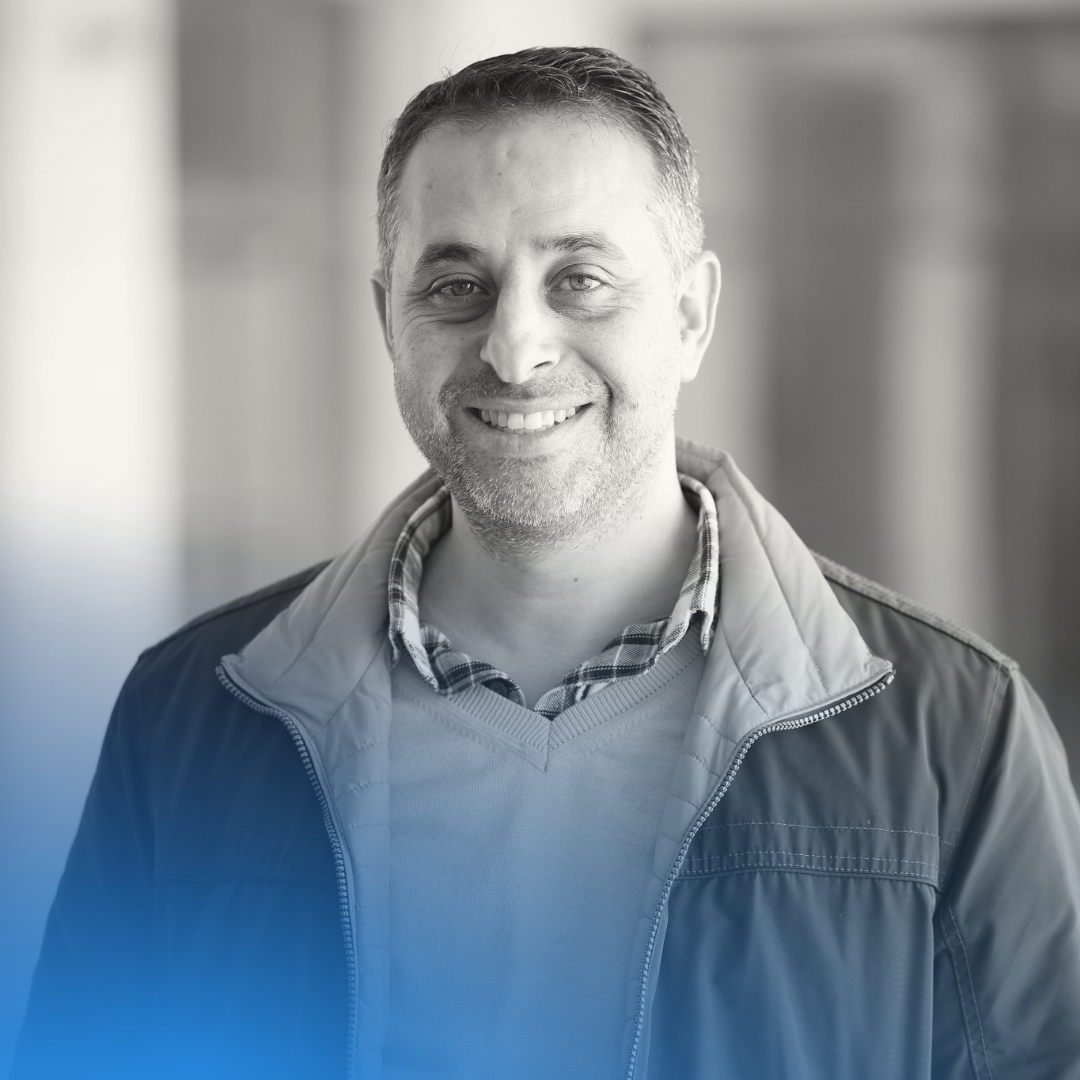
Dr. Ahmed Bassalat is an Associate Professor with Distinction in the Department of
Physics at An-Najah National University in Nablus. Specialized in Particle Physics, he is a leading figure in advancing scientific research and STEM education in Palestine. Dr. Bassalat got his PhD in high-energy physics from Paris-Saclay University in 2016, and conducted his doctoral research at CERN. He is the team leader for the ATLAS-CERN research group at An-Najah and the national contact person for Palestine-CERN. To bridge Palestinian academia with global scientific institutions, he founded the Centre of Excellence in High Energy Physics in Palestine (CEHEP2) and established the annual Winter School in High Energy Physics in Palestine (WISHEPP) in collaboration with CERN and IJCLab. Through international research partnerships with institutions such as CERN, Paris-Saclay and SESAME. Dr. Bassalat has secured major European mobility grants and mentored numerous graduate students, helping elevate Palestinian academia on the international stage. In 2025, he was awarded the Breakthrough Prize in Fundamental Physics as a member of ATLAS collaboration.

Ursula Bassler is a German and French particle physicist who took up the role of CERN Director for Stakeholder Relations in January 2026. She earned her PhD in particle physics from Pierre and Marie Curie University in 1993.
From 2007 to 2013, she led the Particle Physics Division at CEA-Irfu. She subsequently served as Scientific Director for Particle Physics and Computing at IN2P3 and held the position of Deputy Director from 2016 to 2018.
Ursula Bassler was President of the CERN Council from 2019 to 2021. Between 2021 and 2024, she was Scientific Director for International Relations, European Affairs and IN2P3 Laboratories.
In 2024, she joined the Laboratoire Leprince-Ringuet at the École Polytechnique, where she contributed to studies on future particle colliders. In 2025, she was awarded the Beate Naroska Guest Professorship at the University of Hamburg.
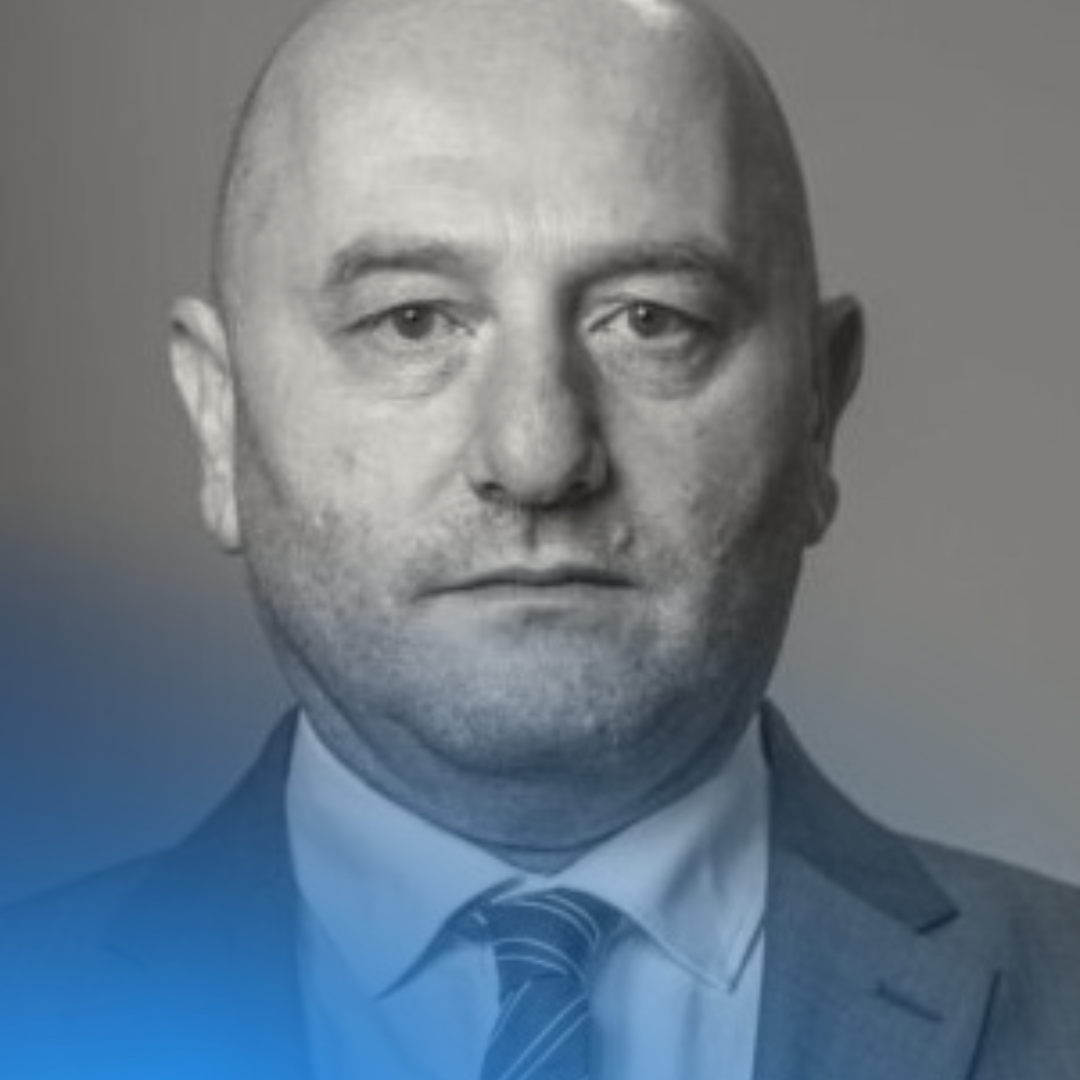
Giovanni Buttigieg is the Head of Science Diplomacy at the Ministry for Foreign and European Affairs of Malta, a Unit he established last year. He is a Member of the National Digital Services Advisory Committee. Since 1992 he held several roles at the Malta Council for Science and Technology.
Mr Buttigieg was Ambassador of Malta to Ireland between 2022 – 2025. In the previous five years he was Deputy Permanent Representative to the United Nations in New York, where he followed directly issues of S&T, R&I and ICT. He was responsible for Malta’s elected membership of ECOSOC and Vice-Presidency of the UN General Assembly, which he chaired on various occasions.
Between 2010-2017 he served at the European Commission – League of Arab States Liaison Office in various capacities, including Executive Director a.i. He was appointed Secretary and Advisor to the 2015 Commonwealth Heads of Government Meeting Taskforce.
The European Economic and Social Committee appointed Mr Buttigieg expert on women and entrepreneurship, as well as on young people and the Mediterranean.
Giovanni Buttigieg obtained a Masters Degree in Contemporary Diplomacy from DiploFoundation, a post-graduate diploma in Museology from Masaryk University, and an Honours Degree in Engineering from the University of Malta.

Prof Connell researches in Particle, Nuclear, Quantum and Applied Physics, Nuclear Energy, Materials Science, High Performance Computing and Innovation.
He is a past president of the South African Institute of Physics. He is the founding member of the SA participation in High Energy Physics at ATLAS at CERN.
He has published over 170 few-author papers in International Journals and is also an ATLAS author (>800 papers). He has a Scopus H-index of 101 with over 45,000 citations.
He is interested in technology and innovation for competitive industry and has several commercialisation projects with 10 patents in grant. One of these uses intelligent sensor-based sorting to discover diamond within kimberlite.
He supports green, safe Nuclear Energy, both large scale generation and also Small Modular Reactors. He has worked on Open Source Monte Carlo Nuclear Engineering code development and also on Fibre Optic based on-line, in-core, real-time 4IR sensing for power reactors. He also works on the implementation of the roadmap towards the African Light Source (chair: Exec).
He is also on the steering committee developing the community driven African Strategy for Physics. He was joint awardee of the APS Wheatley Prize in 2025 for his science development work in Africa.
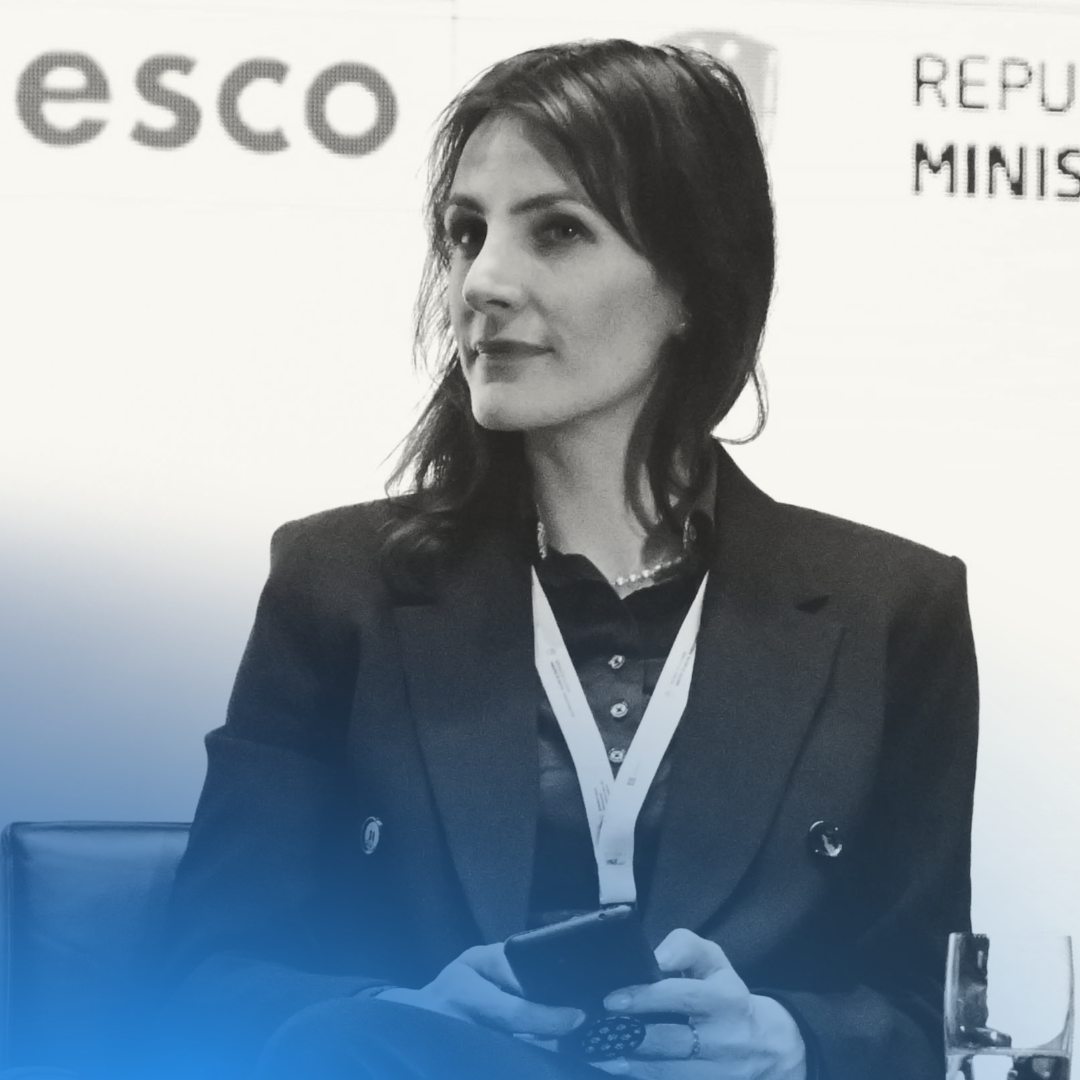
Mihajela Črnko is a legal and artificial intelligence policy expert at the International Research Centre on Artificial Intelligence (IRCAI), a UNESCO Category 2 centre at the Jožef Stefan Institute in Slovenia. She leads IRCAI’s international engagement and policy work, connecting research expertise with public policy and international cooperation.
She coordinates the AI component of the EU–LAC Digital Alliance and was an AI expert at the D4D Hub AI Working Group. In these roles, she works with governments, international organisations, research institutions and industry to advance responsible AI governance and develop practical partnerships across regions. Her activities include coordinating high-level policy dialogues, supporting policy and implementation planning, and facilitating exchanges on AI innovation ecosystems, AI Factories and high-performance computing.
Mihajela previously served as a Senior Legal Expert for the European Commission’s AI Act Service Desk, contributing legal expertise on the interpretation and implementation of the EU AI Act.
With a background in law, her work focuses on translating governance objectives into concrete international cooperation. She is particularly interested in the role of research and technology infrastructures in science diplomacy, including how shared knowledge, computing capacity and institutional partnerships can strengthen innovation, support sustainable development and broaden participation in the opportunities offered by artificial intelligence.
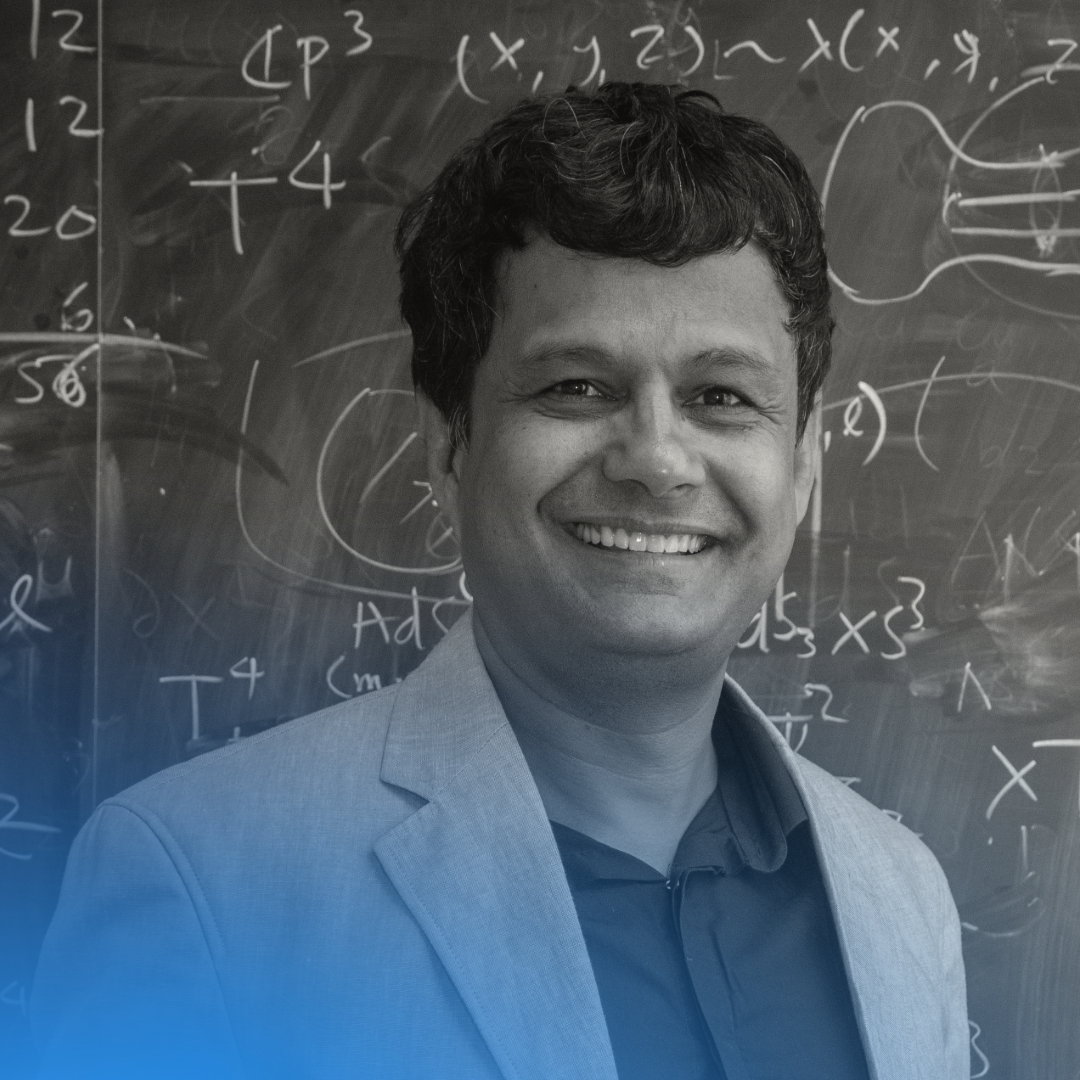
Atish Dabholkar, a theoretical physicist from India, became ICTP's 5th director in November 2019.
Dabholkar is well-known for his research on string theory and quantum black holes, including investigations that build on ICTP founder Abdus Salam's Nobel-winning work on electroweak unification. Born in 1963 in India, he is a graduate of the Indian Institute of Technology at Kanpur, one of India's premier educational institutes. He earned a PhD in theoretical physics from Princeton University, followed by postdoctoral and research positions at Rutgers University, Harvard University and the California Institute of Technology. Until 2010, he was a professor of theoretical physics at the Tata Institute of Fundamental Research in Mumbai, and has been a visiting professor at Stanford University and a Visiting Scientist at CERN. He joined ICTP in 2014 on secondment from Sorbonne Université and the National Center for Scientific Research (CNRS), where he has been a research director until 2019. At ICTP, he was head of the High Energy, Cosmology and Astroparticle Physics section.
He has received many honours, including the Shanti Swarup Bhatnagar Award (2006), the most prestigious national science prize awarded by the Indian Prime Minister, for his "outstanding contributions for establishing how quantum theory modifies the entropy of black holes and his pioneering studies of supersymmetric solitons in string theory". He is an elected member of the Indian Academy of Sciences, an elected fellow of The World Academy of Sciences (TWAS) for the advancement of science in developing countries, and a Distinguished Alumnus of the Indian Institute of Technology Kanpur. In 2007 he received the Chair of Excellence award from the National Research Agency (ANR) in France.

Robbert Dijkgraaf is a distinguished mathematical physicist and academic leader who has made significant contributions to international science advice and policy. He served as Minister of Education, Culture and Science of the Netherlands (2022–2024).
Dijkgraaf’s research focuses particularly on the interface between theoretical particle physics and mathematics, a blossoming field that has led to many unexpected breakthroughs.
Dijkgraaf has a long track record in science policy and advice, as president of the Royal Netherlands Academy of Arts and Sciences (2008-2012), chief science advisor to the Dutch government, and in the Innovation Platform, advising the cabinet on research and innovation policies. He was co-chair of the InterAcademy Council (2009-2017) and co-president of the InterAcademy Partnership (2014-2017).
As director and Leon Levy Professor of the Institute for Advanced Study in Princeton, New Jersey (2012-2022), he stewarded one of the world’s foremost centres for theoretical research and intellectual inquiry.
During his academic career Dijkgraaf has been active in science communication and public engagement.
Dijkgraaf is a member of the American Academy of Arts and Sciences, the American Philosophical Society, the Royal Society of Edinburgh, the Academia Europaea and the Royal Flemish Academy of Belgium for Science and the Arts.

Shani Edri-Amran has served as Director of the Foreign Relations Division at the Ministry of Innovation, Science and Technology since 2025. In her role, she leads Israel’s scientific foreign relations framework and manages strategic collaborations with countries and international organizations.
Edri-Amran brings extensive experience in public service and has held a range of senior positions within the Foreign Relations Division over the years, including Deputy Director and Acting Head of the Division. Among her responsibilities, she served as Israel’s representative to the international organizations COST (European Cooperation in Science and Technology) and GIF (German-Israeli Foundation for Scientific Research and Development). She has led negotiations on bilateral scientific cooperation agreements, managed large-scale budgets, and coordinated both the Germany Desk and the Arab States Desk following the signing of the Abraham Accords.
Prior to joining the public service, she held management positions in private-sector companies in the high-tech and import industries.
Edri-Amran holds a Master of Arts (MA) in Government and Public Policy from Bar-Ilan University and a Bachelor of Arts (BA) in Behavioral Sciences with a specialization in Organizational Psychology from Ariel University.
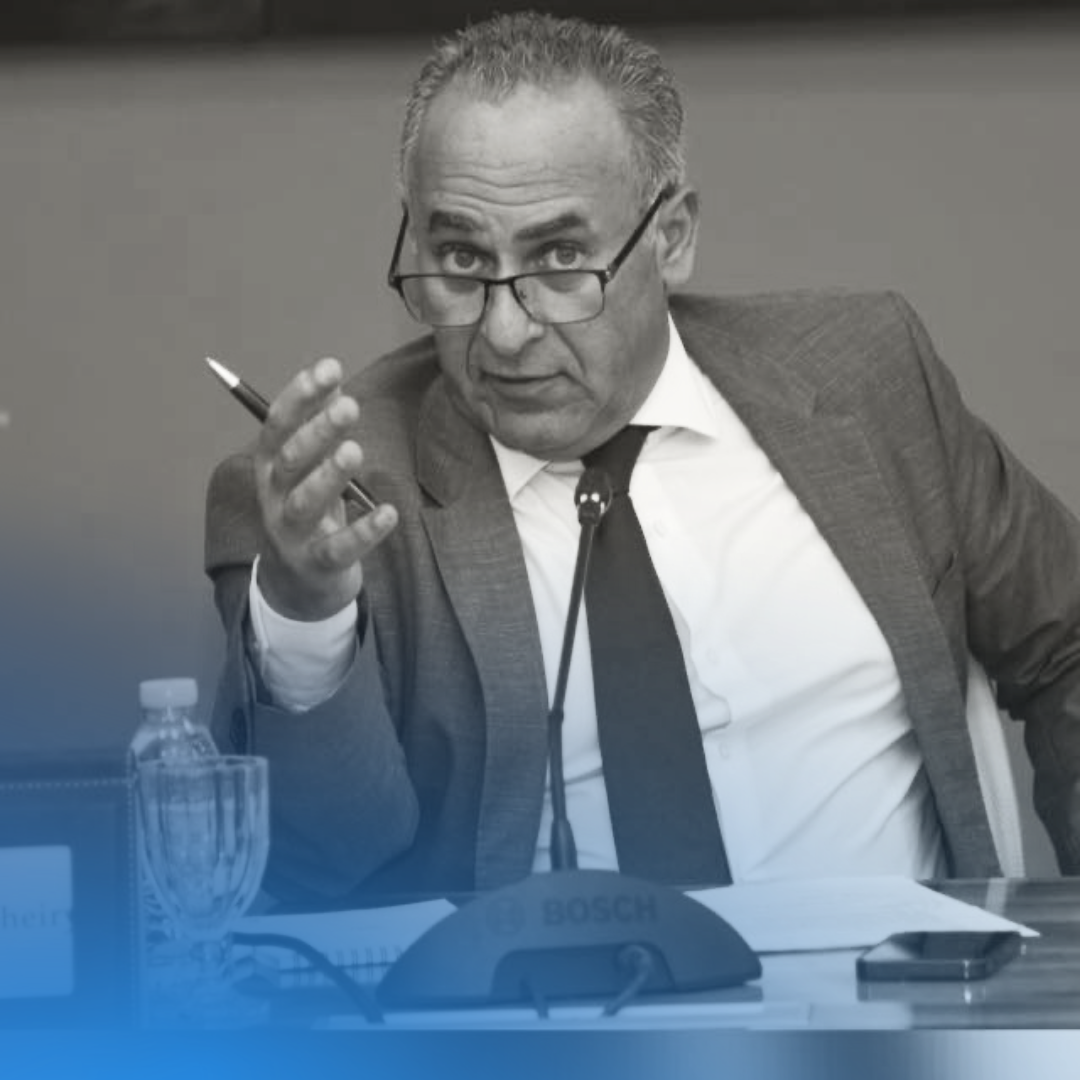
Prof. Dr. Abdelhamid El-Zoheiry is a Professor at Cairo University and Vice Chairman of the Board of Trustees of Heliopolis University, Egypt.
From 2014 to 2024, he served as President of the Euro-Mediterranean University (EMUNI) in Slovenia, where he strengthened the institution’s role as a regional platform for academic cooperation, science diplomacy, and intercultural dialogue. He currently serves as National Coordinator and Co-Chair of the PRIMA Foundation (Partnership for Research and Innovation in the Mediterranean Area) and Chief Negotiator for Egypt’s Association to the Horizon Europe Programme, successfully concluding the negotiations in 2025.
Earlier in his career, Prof. El-Zoheiry served as Advisor to the Egyptian Minister of Higher Education and Scientific Research and Executive Director of the EU-funded Research Development and Innovation (RDI) Programme. In these roles, he led national and regional initiatives to advance science and innovation policy and programmes, fostered partnerships between academia, industry, and government, and supported Egypt’s integration into the Euro-Med Research and Innovation Area.
He has represented Egypt in multiple international policy fora, including as Co-Chair of the Euro-Med Group of Senior Officials for Research and Innovation, the African Ministerial Council on Science and Technology (AMCOST), and the Africa–EU High-Level Policy Dialogue on Research and Innovation.
Co-chair, PRIMA Foundation (Partnership for Research and Innovation in the Mediterranean Area), former President, Euro-Mediterranean University (EMUNI),
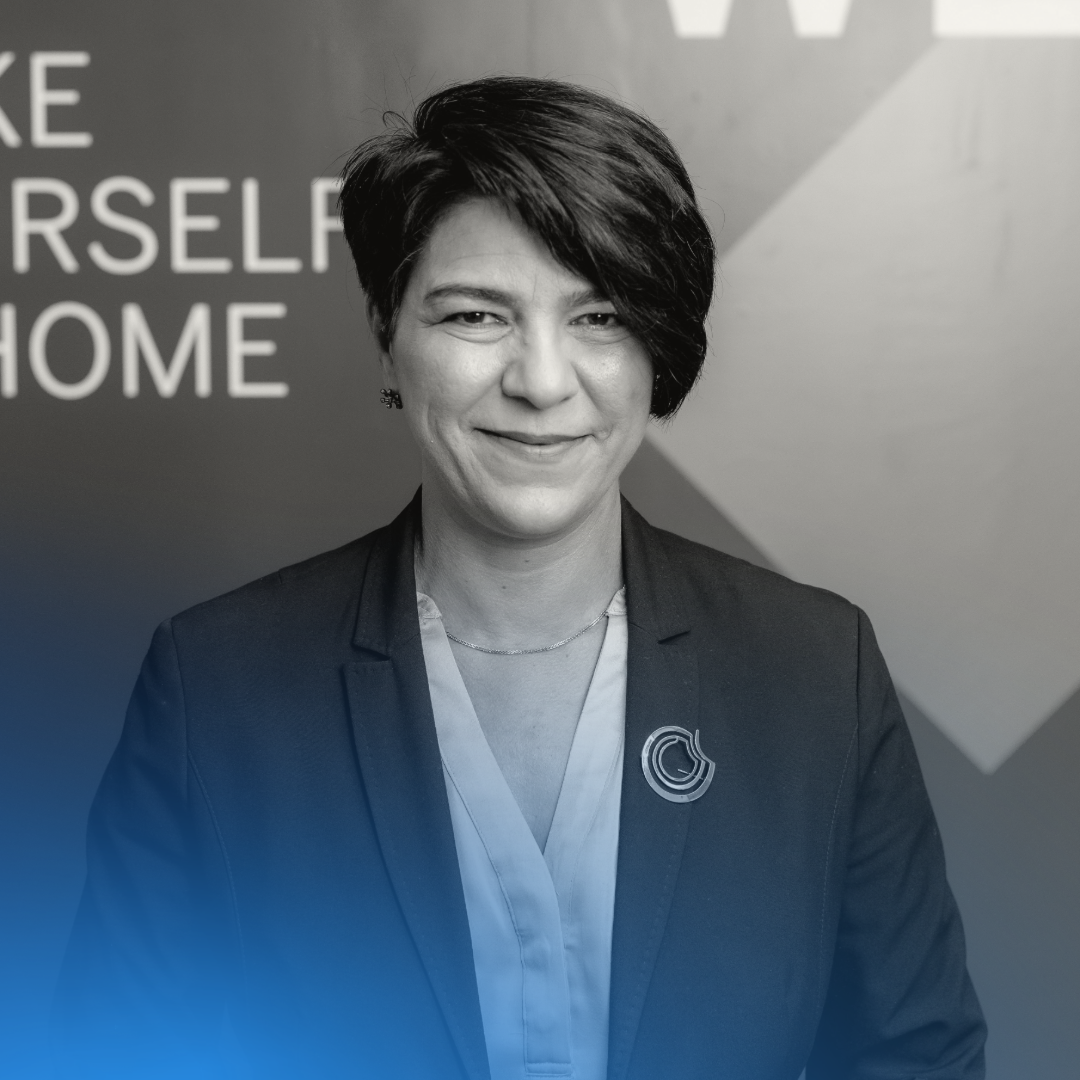
Ronit Eshel is Vice President and Head of the Technological Infrastructure Division at the Israel Innovation Authority. With more than 25 years of experience in technology, innovation, and industrial development, she leads initiatives that advance emerging technologies, promote applied academic research, facilitate the commercialization of knowledge for industry, and build collaborative consortia to strengthen Israel’s long-term technological competitive advantage. Prior to the Authority, Eshel served in senior technology roles and achieved the rank of Principal Engineer in Intel. Ms. Eshel holds an MSc in Materials Engineering, BA in Economics and Communications, and an MBA with distinction.

Dr. Anis Fatima is a Senior Research Technical Scientist at the Science and Technology in Archaeology and Culture Research Center (STARC), Cyprus Institute (CyI), specializing in advanced X-ray imaging and characterization techniques. She holds a Ph.D. in Physics and has expertise in phase-contrast imaging, micro-computed tomography (microCT), phase retrieval, and image reconstruction.
At CyI, she contributes to the BioMERA microCT laboratory and played a key role in establishing the facility. She is currently involved in the BioMERAplusCHEM initiative, integrating 3D imaging with chemical characterization techniques such as XRF and XAS/EXAFS. She contributed to WP2 of the BEATS beamline project at SESAME and currently participates in the SUNSTONE project, supporting the use of synchrotron research infrastructure by Cypriot researchers. Her work focuses on multidisciplinary applications of advanced X-ray imaging and includes numerous publications in international journals and conference proceedings.

Prof. Karen Hallberg is the Secretary General of the Pugwash Conferences on Science and World Affairs (1995 Peace Nobel Prize).
She holds a PhD in Physics from the Balseiro Institute, Argentina. She is Principal Researcher of the Argentine Council for Science and Technology (CONICET) working at the Bariloche Atomic Center and is an Associate Professor of Physics at the Balseiro Institute (Argentine Commission for Atomic Energy and University of Cuyo).
She was awarded the 2019 L'Oreal-UNESCO International Award For Women in Science for her work on the development of state-of-the-art computational approaches based on quantum information to investigate the physics of quantum matter and nanoscopic systems. She holds two honorary doctorates, she is a corresponding member of the Argentine Academy for Exact, Physical and Natural Sciences, a member of the Latin American Academy of Sciences, a former Board member and International Councilor of the American Physical Society, and a member of the World
Economic Forum Global Future Councils on the Future of Quantum Economy and Next-Generation Computing.
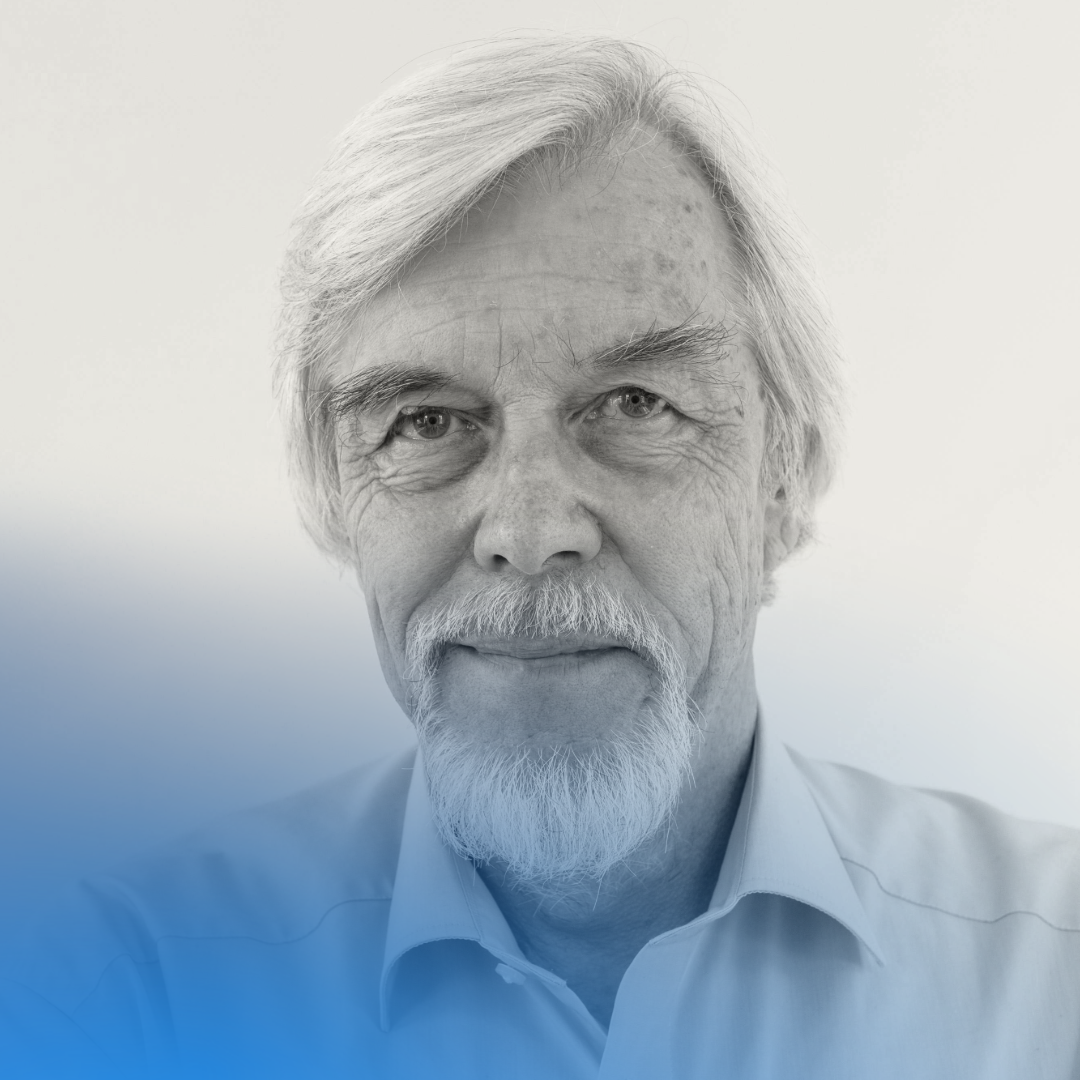
Prof. Heuer is an experimental particle physicist and most of his scientific work has been related to the study of electron-positron reactions, development of experimental techniques, as well as construction and running of large detector systems. He was research scientist at the University of Heidelberg and then 15 years staff member at CERN. In 1998, he was appointed to a chair at the University of Hamburg and in December 2004, he became research director for particle and astroparticle physics at the DESY laboratory. Prof. Heuer has been CERN Director-General from January 2009 to December 2015. His mandate is characterised by the start of the Large Hadron Collider (LHC) 2009 as well as its energy increase 2015, the discovery of the H-Boson and the geographical enlargement of CERN Membership. From April 2016 to April 2018, he was President of the German Physical Society. He is President of the Council of SESAME (Synchrotron-Light for Experimental Science and Applications in the Middle East) and was the Chair of the European Commission’s Group of Chief Scientific Advisors until November 2020.
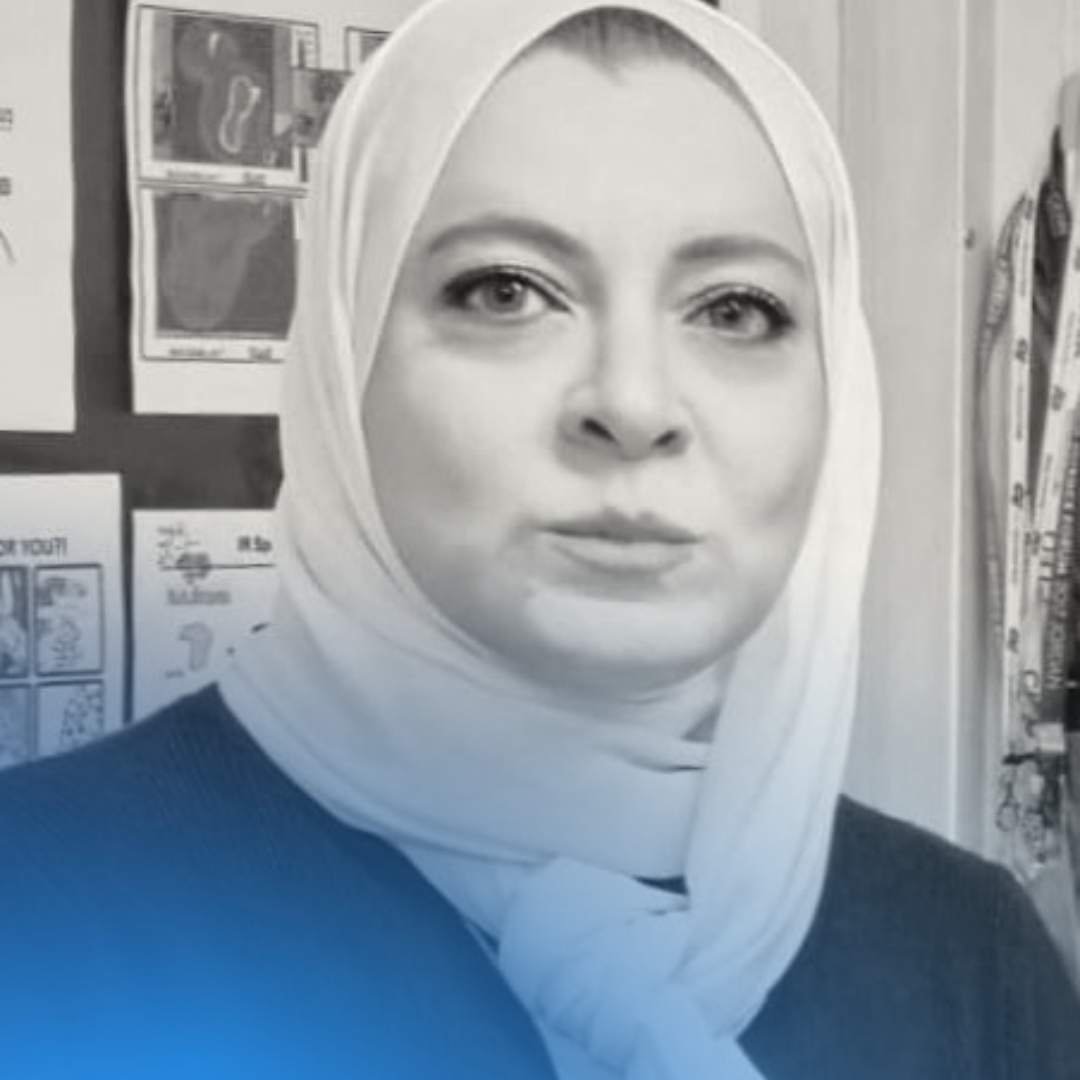
Dr. Gihan Kamel is an internationally recognized physicist and science diplomat whose
contributions span synchrotron science, scientific capacity building, and international
collaboration, earning prestigious recognitions including the TEDxCERN stage, honors fromthe President of Italy, the French Eureka Prize, selection among Africa’s leading women scientists by the UN Economic Commission for Africa, commentary in Nature on challenges facing women scientists in the Middle East, the 2024 American Physical Society John Wheatley Award, and the 2025 LAAAMP Special Project Award for her leadership in advancing research opportunities and scientific cooperation.
She is the Principal Scientist and Team Supervisor of the Infrared Beamline at SESAME, Jordan, and a faculty member at the Department of Physics at Capital University, Egypt. She played a leading role in the development and operation of the infrared beamline at SESAME, helping establish a world-class research facility that serves scientists from the Middle East and Africa.
A strong advocate for scientific capacity building and research infrastructure in the Global South, including initiatives supporting the first African Light Source, she has been actively engaged in training and mentoring early-career researchers, promoting international scientific collaboration, and advancing opportunities for women in science through outreach, education, and leadership initiatives and STEM fields.
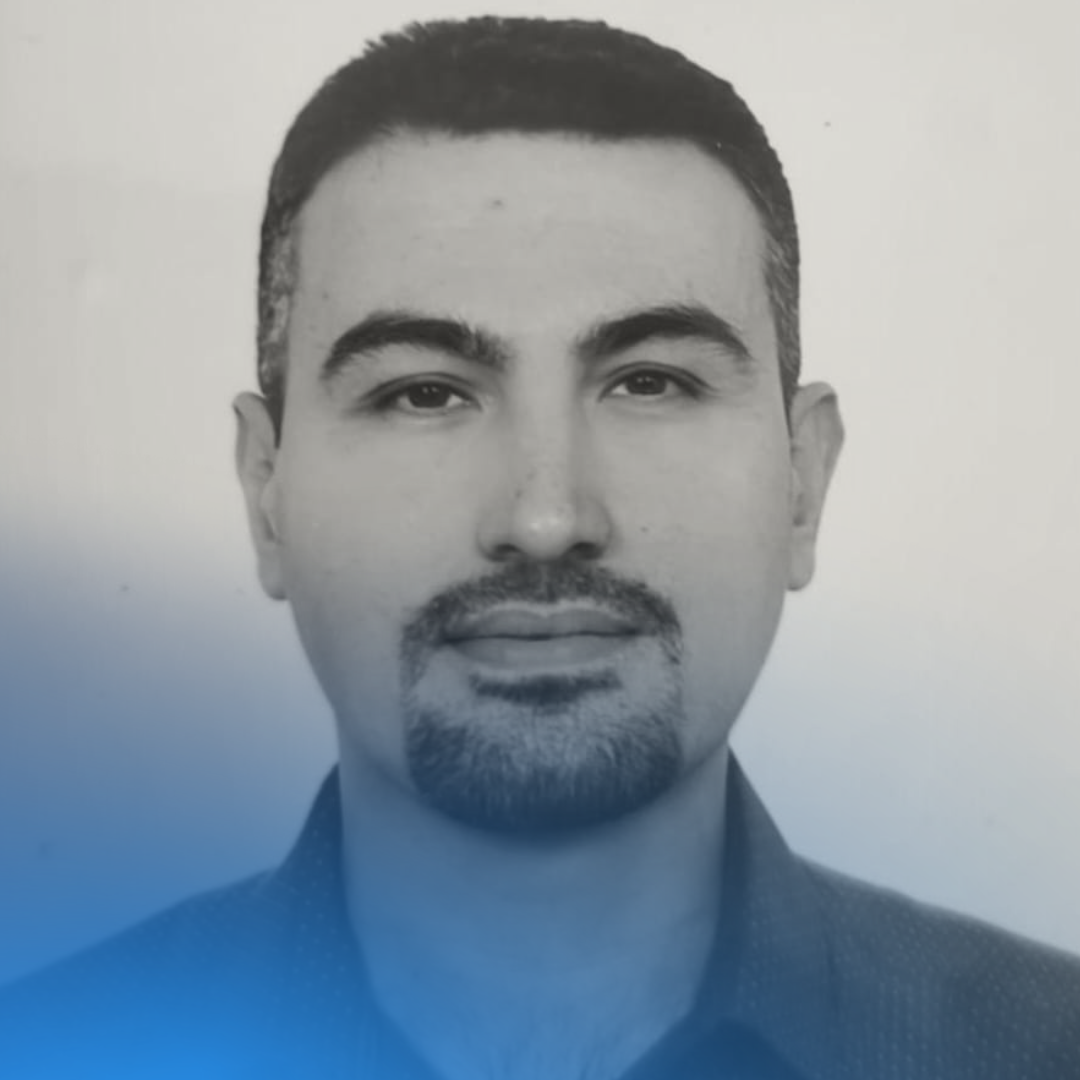
Ali Karatutlu is an Associate Professor in the Department of Engineering Basic Sciences within the Faculty of Engineering and Natural Sciences at Sivas University of Science and Technology, specializing in specialty optical fiber fabrication, mid-infrared lasers, and integrated photonic devices. He leads cutting-edge research initiatives focused on advanced manufacturing of mid-IR laser sources for environmental and industrial sensing, multifunctional integrated optical chips, and lab-on-fiber sensing platforms tailored for biomedical and healthcare diagnostics.
In addition to his role at Sivas, he maintains a part-time appointment at Bilkent University UNAM, extending a nearly decade-long tenure in advanced fiber research at the institution. His core contributions at UNAM include spearheading the design, preform processing, and drawing of complex specialty fibers, featuring kilowatt-class active laser fibers and high-birefringence polarization-maintaining (PM) fibers for high-power laser and sensing systems.
He earned his Ph.D. from the School of Physics and Astronomy at Queen Mary University of London (QMUL), UK, in 2014, where his research concentrated on materials physics and characterization of nanostructured materials using synchrotron radiaton probes. Active in international professional leadership, Prof. Karatutlu serves as an Executive Committee Member of OPTICA’s Fiber Modelling and Fabrication Technical Group (FFTG), contributing to global technical exchange, community outreach, and academic-industrial collaborations in fiber optics and waveguide technologies. He is also member of German Physical Society where he serves in the Atomic, Molecular, Quantum Optics and Photonics (SAMOP) and the Condensed Matter Sections (SKM). He has authored or co-authored 29 SCI-indexed journal articles, over 30 international conference proceedings, 8 book chapters and one approved patent and two pending patent applications.

Dr Amal Kasry is Chief of the Section for Basic Sciences, Engineering, Technology and Innovation at UNESCO, where she leads programmes advancing international scientific cooperation, capacity development and equitable access to science and emerging technologies. She coordinates UNESCO’s work on the International Decade of Sciences for Sustainable Development (2024–2033) and leads the development of the Global Quantum Initiative, alongside programmes in basic sciences, engineering, scientific infrastructure and innovation.
A physicist by training, Dr Kasry holds a PhD from Johannes Gutenberg University Mainz, Germany, with research conducted at the Max Planck Institute for Polymer Research. Her career spans academia, industry and international organizations, with previous positions at the University of Connecticut Health Center, Cardiff University, the Austrian Institute of Technology, IBM and Nitto Denko.
Before joining UNESCO in 2021, she was an Assistant Professor at the British University in Egypt and Director of its Nanotechnology Research Centre, leading multidisciplinary research and capacity-building activities. Her scientific work encompasses materials science, nanotechnology and biosensing. She has authored around 40 peer-reviewed publications and seven book chapters and is an inventor on four patents.
Her work today focuses on connecting scientific excellence with international cooperation, inclusive capacity-building and sustainable development.

Krystel Khalil is an innovation and entrepreneurship expert and ecosystem builder with over 17 years of experience in programme development, strategic advisory, communication and outreach, and ecosystem development across Lebanon and the Euro-Mediterranean region. She supports entrepreneurs in building successful ventures and empowers stakeholders to cultivate thriving entrepreneurship ecosystems.
As Director of Projects Lab at Berytech, she leads the development, partnerships, and implementation of innovation, entrepreneurship, and economic development programmes across the region. Her initiatives span venture acceleration and business support, market access, stakeholder engagement, advocacy support and ecosystem development, impacting various sectors such as social innovation and entrepreneurship, green and circular economy, cluster development, technology transfer and research commercialization.
Krystel is a certified mentor and social entrepreneurship coach, EFQM and EBN Quality Management Assessor. She holds a Master’s degree in Business Marketing from Saint Joseph University and a Social Entrepreneurship Diploma from INSEAD.
Through her regional and international engagement, Krystel contributes to advancing impact-driven ventures, research-to-market, social innovation and strengthening entrepreneurship and innovation ecosystems across the region.

Dr. Theodota Lagouri is a Senior Research Scientist at CERN affiliated with Yale University and a member of the ATLAS Collaboration at the Large Hadron Collider. Her research focuses on experimental particle physics, including Higgs boson physics, quantum entanglement at high energies, searches for physics beyond the Standard Model, and applications of quantum technologies and quantum computing in high-energy physics. She also serves as WG2 Co-Leader in the COST Action MLQC4FC, focusing on quantum computing and machine learning for future colliders.
Alongside her scientific activities, she is engaged in science diplomacy, science policy and international scientific cooperation. She chairs the Policy Working Group of the Marie Curie Alumni Association (MCAA), leads its Science Diplomacy Task Force, and serves as WG4 Leader on Communication, Dissemination, Training and Networking in the COST Action European Science Diplomacy Network (SiDnet).
Within the EU Science Diplomacy Alliance, she co-leads Thematic Entry Points focusing on Science, Technology and Innovation Diplomacy and the nexus between Big Science infrastructures, industry and non-state actors. Her science diplomacy activities focus on how large-scale research infrastructures and international scientific organizations can foster international cooperation, innovation and dialogue, while addressing emerging technology governance, quantum diplomacy, technological sovereignty and responsible innovation.

Ed Mitchell trained in molecular biophysics at Oxford and has spent more than 30 years at the European Synchrotron Radiation Facility (ESRF), where he has held a range of scientific, project and management roles. These have included as a macromolecular crystallography beamline scientist, leading the preparation of the €250 million ESRF Upgrade Programme and serving as General Manager of the international Partnership for Structural Biology. He now leads the ESRF Business Development and Grants Offices, which connect the facility with industry through services and technology transfer and with collaborative European and national programmes. Alongside his industry-facing role, Ed has coordinated the Horizon 2020 project OPEN SESAME and the Horizon Europe project SUNSTONE, continuing Europe’s long-standing support for the SESAME synchrotron in the Middle East. He is also a member of the Executive Committee of the African Light Source Foundation, which is working towards the establishment of a light source in Africa.

Dr. Yuko Miyauchi is a Japanese human bioarchaeologist specializing in the study of human skeletal remains from archaeological contexts. She received her Ph.D. from The Cyprus Institute, where her doctoral research focused on mortuary practices involving non-adults in prehistoric Cyprus.
She is currently a JSPS Overseas Research Fellow based at SESAME (Synchrotron-light for Experimental Science and Applications in the Middle East) in Jordan. At SESAME, she applies synchrotron-based techniques, particularly infrared microspectroscopy, to investigate the preservation and post-mortem alteration of archaeological skeletal remains.
Her work brings together archaeology and synchrotron science, and involves collaboration with researchers and institutions across the Middle East, Europe, and Japan. Working at SESAME has provided her with first-hand experience of how shared research infrastructures can connect researchers across national and disciplinary boundaries, facilitate the circulation of knowledge and expertise, and create opportunities for international scientific cooperation.

Dr. Devis Montroni is a postdoctoral research fellow at the Department of Chemistry of the University of Bologna. His research lies at the intersection of chemistry, materials science, and biology, with a particular interest in how nature can inspire new and more sustainable materials.
After earning a master’s degree in organic chemistry, he moved during his PhD toward the study of materials produced by living organisms. His research explores how organisms build structures that are remarkably strong, resilient, or heat-resistant, often using relatively simple and naturally available components. By studying materials such as seashells, sea urchin spines, chiton teeth, and chitin-based structures, he seeks to understand what makes them effective and translate these principles into new materials and technologies.
A second focus is the development of sustainable materials from biological resources and waste. This includes recovering useful materials such as chitin, collagen, cellulose, and calcium carbonate from fishery and aquaculture by-products and giving them new applications.
Dr. Montroni has authored 38 peer-reviewed publications and holds 4 patents. He has carried out research in Italy, the United States, Ireland, and Canada and collaborates with academic and industrial partners internationally to develop functional and sustainable materials inspired by nature.
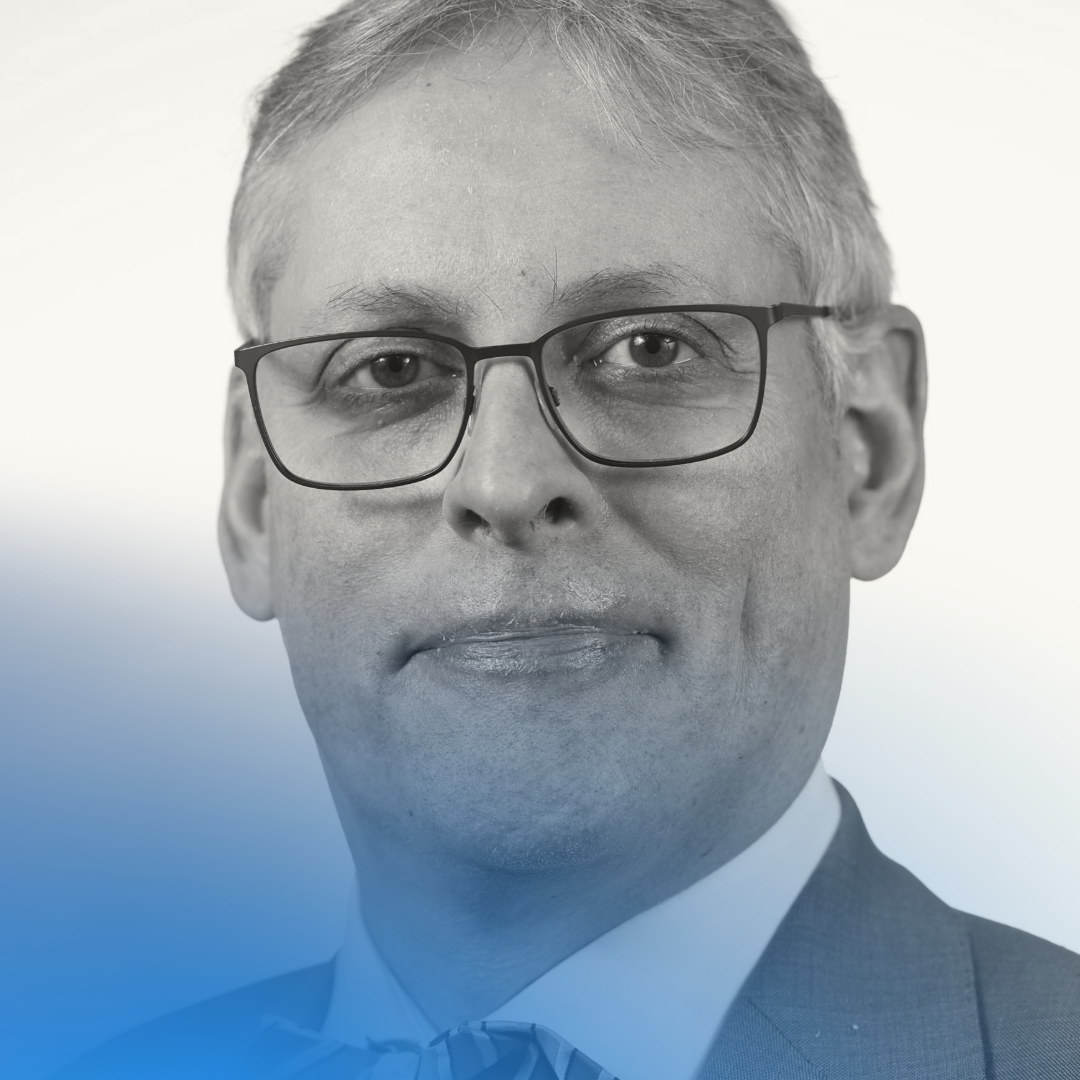
Following his PhD in Geography at the University of Marburg (Germany), Jan Marco Müller's early career included management positions at environmental research centres in Germany, Italy, and the UK. After being an Assistant to the Director-General of the Joint Research Centre JRC (2009-2012), he managed the office of Dame Anne Glover, the first Chief Scientific Adviser to the President of the European Commission (2012-2015) and then helped setting up the Commission's current Scientific Advice Mechanism. 2017-2020 he worked for the International Institute for Applied Systems Analysis (IIASA) as Coordinator for Science Diplomacy and Acting Chief Operations Officer. 2020-2022 he served as Science & Technology Advisor of the European External Action Service (EEAS), before joining the European Commission’s DG Research and Innovation, where he coordinated the development of a European Union Framework for Science Diplomacy. He is a Fellow of the International Science Council and currently chairs the global Foreign Ministries Science & Technology Advice Network (FMSTAN).
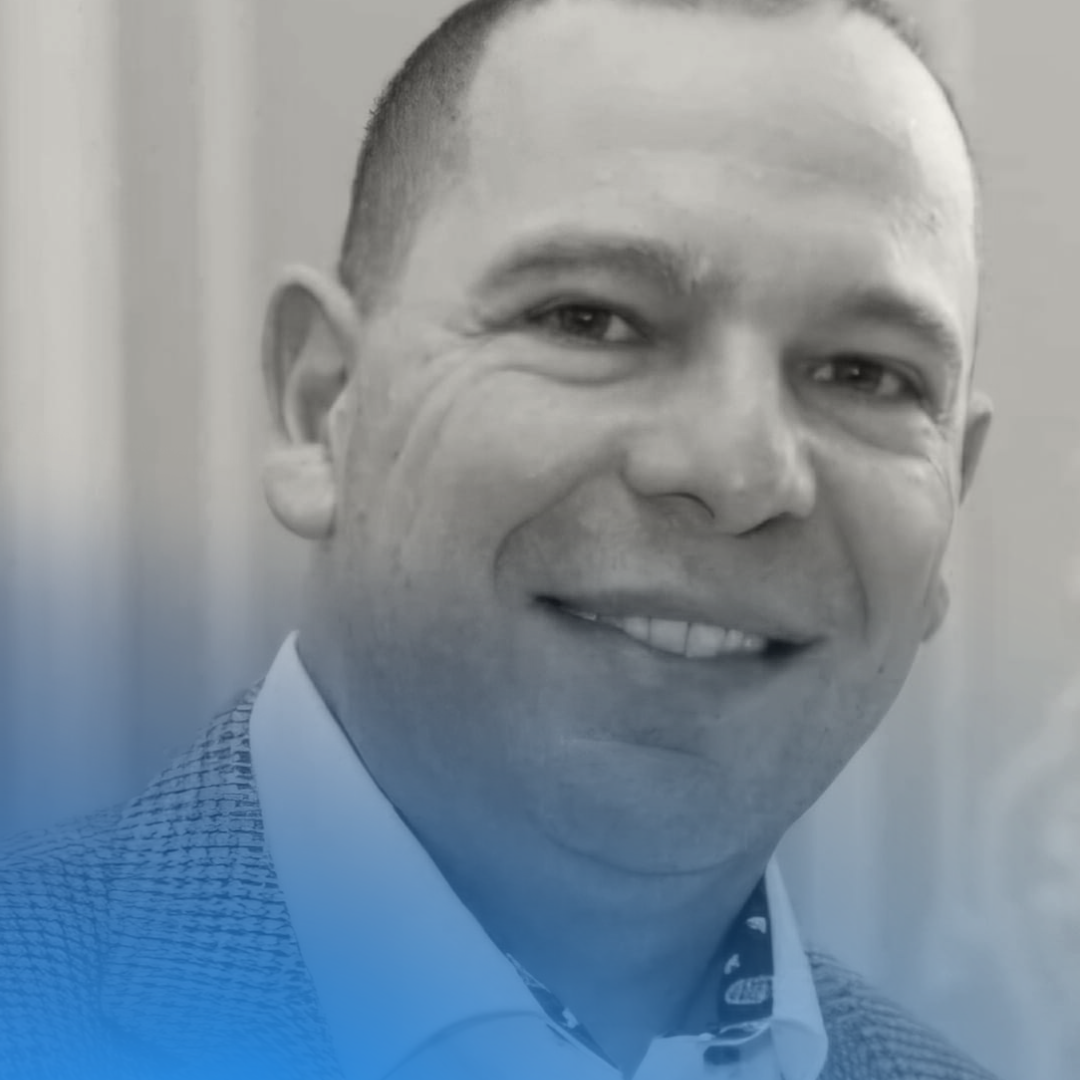
A leading expert in nuclear policy, security, and international science diplomacy
Ambassador David Nusbaum is a prominent expert in nuclear policy and science diplomacy, having served as Israel's Permanent Representative to the IAEA and the CTBTO PrepCom from 2019 to 2024. In this role, he advanced the country’s nuclear policy and represented the country in key international forums and managing vital political and technological matters. His leadership was crucial in addressing nuclear security, non-proliferation, and peaceful nuclear applications.
Currently, Nusbaum is a Non-Resident Senior Fellow at the Belfer Center for Science and International Affairs, John F. Kennedy School of Government, Harvard University and a Senior Adviser for Science Diplomacy at the International Institute for Applied Systems Analysis (IIASA) in Austria. In October 2025 Ambassador Nusbaum successfully led an event in IIASA, “Together for Water”, Water Security in the MENA region. Prior to these roles, he held senior positions within the Israel Atomic Energy Commission, including Deputy Director General for Technology and Deputy Director of the Policy Division at the Commission HQ.
He holds a B.Sc. in Chemical Engineering from the Technion and an M.Sc. in Industrial Engineering and Management from Ben-Gurion University. Ambassador Nusbaum is committed to science diplomacy, particularly regarding water, energy, and climate change, fostering international cooperation and sustainable solutions in these areas.
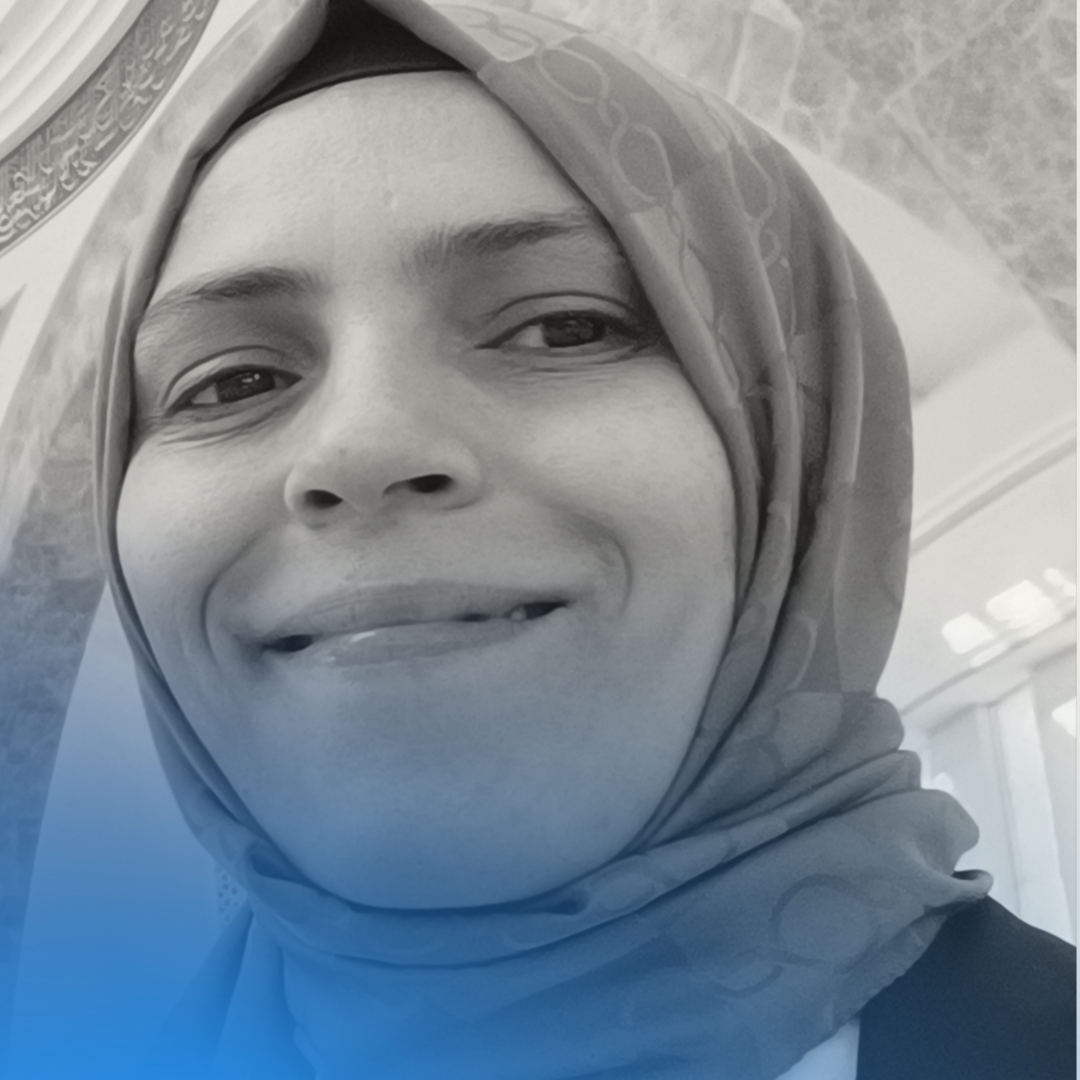
Zeynep Reyhan Öztürk is a physicist and beamline scientist specializing in surface science, magnetic materials, and synchrotron-based spectroscopy. She received her Ph.D. in Physics from Boğaziçi University, Türkiye, in 2023, with research focused on magnetic thin films and nanostructures for microwave applications. Her research experience includes ferromagnetic resonance, vibrating sample magnetometry, and magneto-optical Kerr effect measurements.
She is currently a researcher at the Turkish Accelerator and Radiation Laboratory (TARLA) and serves as the responsible scientist for the Turkish X-ray Photoelectron Spectroscopy (TXPES) beamline at the SESAME synchrotron facility in Jordan. Her work focuses on the installation, commissioning, and development of TXPES, which expands opportunities for investigating the surface chemistry and electronic structure of materials using synchrotron radiation.
Her scientific interests include X-ray and ultraviolet photoelectron spectroscopy, angle-resolved photoemission spectroscopy, and the investigation of functional materials. She has gained international research experience through collaborations and scientific training at major European research facilities, including BESSY II, ESRF, DESY, and European XFEL.
Through her involvement in beamline development and international scientific collaboration, she is committed to strengthening research infrastructure, fostering scientific partnerships, and expanding access to advanced experimental techniques for the regional and international research community.
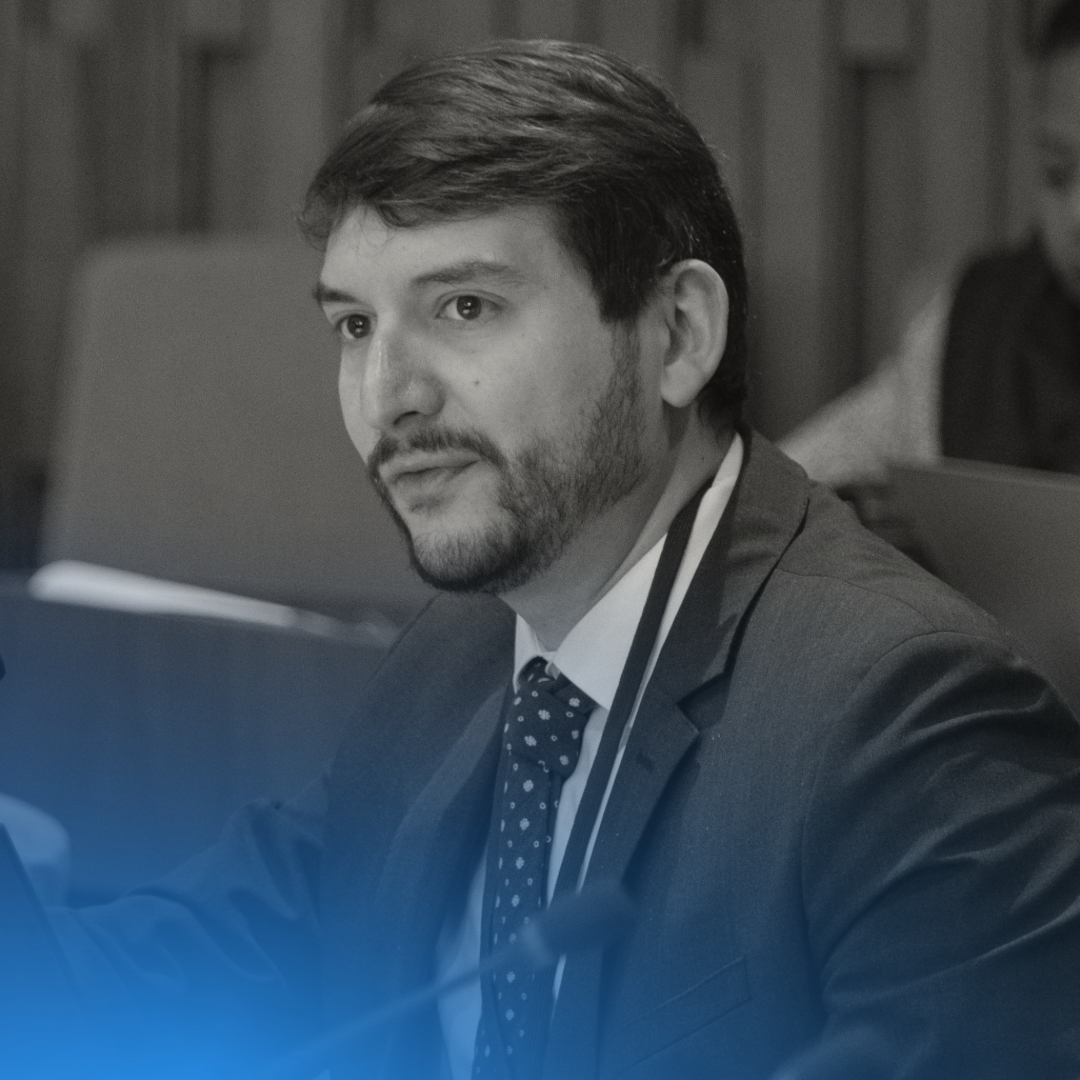
Giuseppe Provenzano leads the Research and Innovation dossier at the Union for the Mediterranean (UfM), where he works on Mediterranean research cooperation, science diplomacy, and employability. He coordinates regional initiatives aimed at strengthening cooperation and dialogue across the Euro-Mediterranean, with a focus on inclusive and sustainable development, knowledge exchange, and stronger links between research and society.
He manages the UfM Research2Business initiative, which supports research teams in bringing their work closer to the market and potential commercialization. His work also focuses on advancing science diplomacy and the science-policy interface at Mediterranean level, fostering South-South cooperation, supporting job creation and skills development, and strengthening cross-country and multi-stakeholder dialogue.
He has contributed to policy research and publications on agrifood systems and science diplomacy, the Blue Economy, EU external policies towards the Southern and Eastern Mediterranean, and sustainability challenges in Iran’s energy sector.
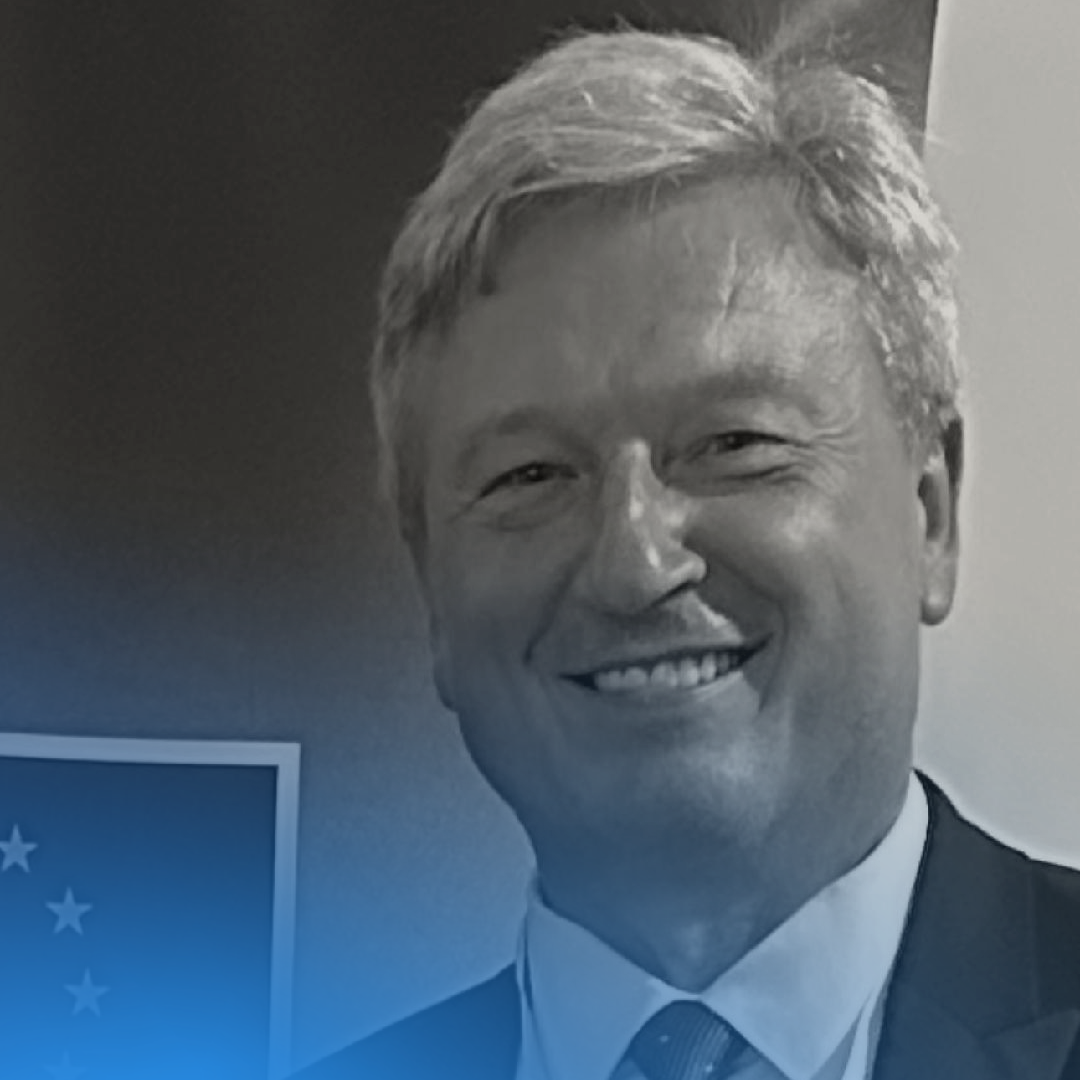
Gediminas Ramanauskas is the First Counsellor and Head of the Research and Innovation Section at the Delegation of the European Union to the State of Israel. He joined the European Commission in 2007, working in the Secretariat-General on the promotion of project management methodologies and principles for administrative modernization. In his next role at the Directorate-General for Climate Action, he was responsible for shaping the EU's position on technology transfer during international negotiations under the United Nations Framework Convention on Climate Change (UNFCCC). Later, he joined the International Cooperation Directorate of the Directorate-General for Research and Innovation, where he oversaw the development, implementation, and monitoring of EU policies in the area of Science, Technology, and Innovation (STI) cooperation with Eastern Partnership countries, the Black Sea region, East Africa, Russia, Central Asia, and South Asia. From 2018 to 2023, he served as the First Counsellor and Head of the Science, Innovation, Digital, and other EU Policies Section at the Delegation of the European Union to Japan. Before joining the European Commission, he established a branch of the Price Waterhouse consulting firm in Vilnius and served as its first head. He also worked as an Advisor to the Chair of the Foreign Affairs Committee of the Parliament of Lithuania (Seimas) and was an Advisor on International Economic Policy to the President of Lithuania. Additionally, he held the roles of Dean and Head of Strategic Management at the University of Management and Economics (ISM). Gediminas holds a Ph.D. in Management from Tokyo Gakushuin University and a Doctorate in Social Sciences from Vilnius Gediminas Technical University.

Prof. Kherieh Rassas is a distinguished leader in higher education and science diplomacy.
She is President of the Mediterranean Universities Union (UNIMED), overseeing 190+ universities, and spearheaded the Technical Educational Support Initiative (TESI) for sustainable education in conflict areas.
Since 2005, she has served as Vice President for International Affairs at An-Najah National University, where she founded the Faculty of Optometry and the Global Health Institute. An accomplished Professor of Optometry and Eye Health Specialist , she also holds an LLB in Law and a PhD in Optometry and Visual Science.
A former Senior Advisor to the Palestinian Prime Minister (2013–2019), her leadership extends to boards at An-Najah University Hospital and Hijjawi Vocational College. She is also an international expert and mentor for the Global University Network for Innovation.
Her contributions have earned her prestigious honors, including being decorated as a Serving Sister by Queen Elizabeth II and knighted with the National Order of Merit by President Emmanuel Macron. A fluent polyglot in Arabic, English, French, and Hebrew, and a working knowledge of Italian and German. Prof. Rassas remains a dedicated advocate for global health and educational equity.

Marilena Rossano is senior officer at CNR - the Italian National Research Council of Italy, where she is responsible of a CNR Branch Office of the Unit for European and International Relations.
Her work is grounded in decades of experience in the euro-mediterranean cooperation in science and technology, with a strong focus on joint programs, research infrastructures and science diplomacy. She has been member of the Euro-Mediterranean Monitoring Committee for R&I since 1996 and currently delegated by the Italian Ministry of University and Research and the Italian Ministry of Foreign Affairs in the UfM Platform for R&I, where she is co-chair of the UfM WG1.
Partner of many EU funded projects with Med Partners (RTDI, ANTA20021, MED7, STREN, MIRA, SEASERA, MEDSPRING, ERANETMED, PPI4MED) and projects regarding the international role of Research Infrastructures (RESINFRA, RESINFRAPlus), she is author of several papers on R&I cooperation. She led specific CNR programs for the mediterranean region and supports the implementation of strategies and policies for Africa, Mediterranean and Middle East.
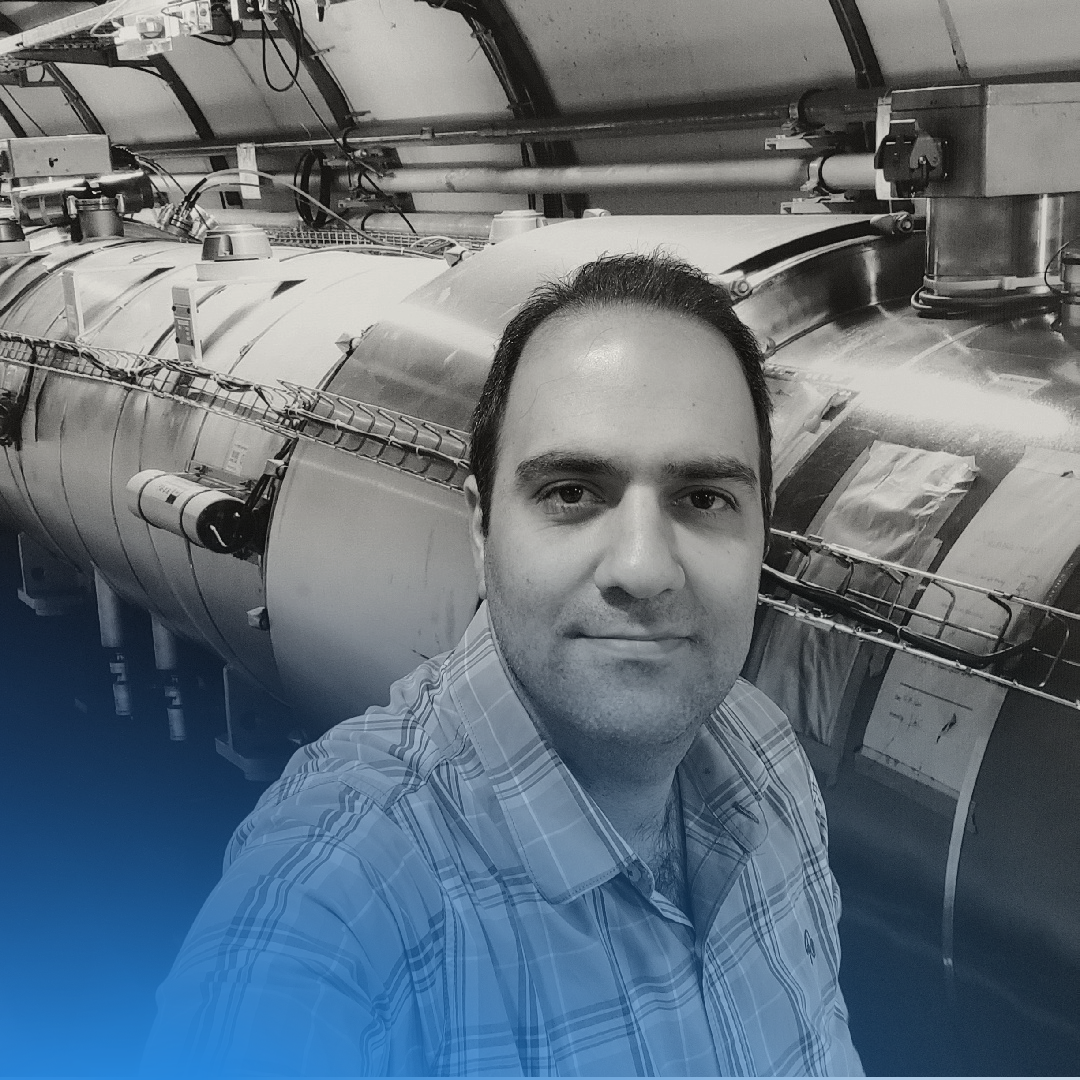
Arash Sadeghipanah is the deputy director for science and technology at the Iranian Light Source Facility (ILSF) and a faculty member at the School of Particles and Accelerators at the Institute for Research in Fundamental Sciences (IPM). He holds a BS in electronics engineering and a PhD in accelerator physics from Shahid Beheshti University in Tehran. His expertise includes radio frequency and beam dynamics in particle accelerators. He has worked at the ILSF for the past 15 years and has been directly involved in research and development on the ILSF machine's design.


Professor Zehra Sayers received her bachelor’s degree in physics from Boğaziçi University, Türkiye, and her PhD in biophysics from the University of London, UK. Her research focuses on structure–function relationships in biological macromolecules using synchrotron X-ray scattering. Her work has included cytoskeletal proteins, chromatin organization, and metal-binding proteins, including metallothioneins and ferric-binding protein A from Haemophilus influenzae.
Following research positions in the UK and Sweden, she joined the EMBL Hamburg Outstation as a staff scientist during the early development of synchrotron-based structural biology on DESY campus. In 1998, she joined Sabancı University as a founding faculty member of the Molecular Biology, Genetics and Bioengineering program. She later served as Director of the Foundations Development Program and as Interim President.
Internationally, Sayers served as Chair of the SESAME Scientific Advisory Committee from 2002 to 2018, contributing to the establishment and development of the synchrotron facility. She received the 2017 Rammal Medal and, together with four SESAME colleagues, the 2019 AAAS Award for Science Diplomacy. She is an Honorary Member of the Science Academy, Türkiye, and Emeritus Faculty Member at Sabancı University.

Dr Vassilis Tsakalos is Vice President for Research and Technological Support at the Cyprus Institute (the country's largest multidisciplinary research centre) and has overseen the Institute's research funding and service provision, as well as Research and technology infrastructure, since 2020. He is also Coordinator of DiGiNN, the European Digital Innovation Hub in Cyprus, a nationwide network that supports the digital transformation of businesses and the public sector. Before joining the Institute, he served as Director General of the Cyprus Research and Innovation Foundation between 2011 and 2020, the Government's executive arm for Research and Innovation, where he led, among other duties, the design of the National Research and Innovation Framework Program (RESTART 2016-2020) and the Foundation's digital transition. Previously, Dr Tsakalos was for 12 years the Head of PRAXI Network, a research and technology transfer promotion agency in Greece under the Foundation of Research and Technology Hellas (FORTH).
Dr Tsakalos is a graduate in Chemical Engineering from the National Technical University of Athens. He holds a DEA and a PhD degree in Materials Engineering from École Nationale Supérieure des Mines de Paris.